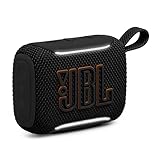
For most beach trips, a compact speaker with an IP67 rating such as the JBL Flip series is the easiest pick, the JBL Charge or Sony ULT Field line suits bigger groups that want more volume, and a floating model such as the Ultimate Ears Wonderboom suits people who spend time in the water. Sand, salt and heat are harder on a speaker than rain, so the rating and care routine matter as much as the sound.
What to look for in a beach speaker
- IP rating: IP67 means the maker states the speaker is dust-tight and can be submerged briefly. Dust-tight protection helps against fine sand. IPX7 only covers water, not dust, so it is weaker against sand.
- Floating: Some speakers float, which stops you from losing one in the water. Floating is a stated feature, so confirm it on the maker’s page.
- Battery life: Makers list playback time at a moderate volume. Real-world time is shorter at high volume and in heat.
- Loudness and bass: Open outdoor spaces swallow sound, so beach speakers need more power than a bedroom speaker. Larger models have more output but more weight.
- Portability: A strap or carabiner, a compact body and a light weight make carrying easy.
- Connectivity: Pairing multiple speakers, USB-C charging and a power-bank function are useful extras.
- Colour: Dark speakers absorb heat in direct sun. Lighter colours may run cooler.
Speakers at a glance
| Model | Best for | Key stated specs | Limits |
|---|---|---|---|
| JBL Flip 7 / Flip 6 | All-round portable beach speaker | IP67 rating, USB-C charging, PartyBoost pairing, as listed by the maker | Not designed to float, per reviewers; moderate bass |
| JBL Charge 6 / Charge 5 | Groups wanting louder sound and a battery bank | IP67 rating, long battery life and USB output, as listed by JBL | Heavier and bulkier |
| Ultimate Ears Wonderboom 4 | Water play and pool use | IP67 rating, floats, 360-degree sound, per the maker | Small speaker; limited bass |
| Sony ULT Field 1 / SRS-XB100 | Bass-focused sound or tiny carry-anywhere units | IP67 or similar water and dust ratings, as listed by Sony | Differences by model; small models are quiet |
| Bose SoundLink Flex (2nd Gen) | Clear sound in a rugged body | IP67 rating, hook-style carrying options, as listed by Bose | Moderate battery and bass |
| Anker Soundcore and Tribit models | Budget buyers | Water-resistant ratings and long battery claims, as listed by the makers | Rating and build vary by model |
JBL Flip and Charge: reliable defaults
JBL’s Flip line is a staple of beach bags. JBL lists IP67 water and dust protection, a compact cylinder shape and a multi-speaker pairing feature. The Charge line is bigger, with a larger battery and a USB output that can top up a phone, according to the maker. Reviewers often point to a punchy sound for the size, but note that these speakers are not marketed as floating. A strap or a lanyard keeps one from sinking in a surf pool.
Ultimate Ears Wonderboom: for pool and water play
The Wonderboom has a round shape designed to float and project sound in all directions, according to Ultimate Ears. It is small, which makes it easy to carry, but it does not produce the volume or bass of a larger speaker. It suits a family at a pool or a beach bag where size and water-friendliness matter more than power.
Sony and Bose options
Sony’s ULT Field and SRS-XB series cover bass-heavy sound and tiny budget units, with ratings listed by the maker. Bose’s SoundLink Flex is known for clear sound and a rugged body. Reviewers often find these competitive but say battery life and loudness vary, so compare the specific model and not just the brand.
Beach care and safety notes
- Rinse after use: Salt and sand can damage seals and ports. Rinse with fresh water if the maker’s manual says the speaker is waterproof, then let it dry fully before charging.
- Close port covers: A charging port left open exposes the contacts to sand and moisture. Make sure the cover is sealed before use.
- Avoid heat: Do not leave a speaker in a hot car or in direct sun. Heat can degrade lithium batteries and, in extreme cases, create a safety risk. Keep it in shade or a bag.
- Do not charge a wet speaker: Dry the port first and follow the manual.
- Mind other people: Beaches have rules about noise. Keep volume considerate and follow local regulations.
- Do not rely on ratings forever: Waterproof seals can wear with age and drops, so ratings apply to a new, undamaged device.
Pick X if…
| If you… | Pick |
|---|---|
| Want a simple compact speaker for a beach bag | JBL Flip series |
| Need more volume for a group | JBL Charge or Sony ULT Field |
| Spend time in the water | Ultimate Ears Wonderboom |
| Want clear sound in a rugged body | Bose SoundLink Flex |
| Are on a budget | Soundcore or Tribit |
| Want the smallest option | Sony SRS-XB100 |
Alternatives to consider
- Waterproof headphones: Good if you do not want to share your music with the beach.
- A larger party speaker: For a big gathering, look at bigger models, though they are heavy and may need to stay near a base.
- A waterproof pouch: For a speaker without a good rating, a dry bag helps but does not replace a proper rating.
Choosing by group size and beach type
A solo sunbather or a couple needs far less speaker than a group of ten around a picnic. Small cylinders in the JBL Flip and Wonderboom class fill a small circle of towels at moderate volume, and reviewers generally describe their output as enough for a few people but not for a crowded stretch of sand. Larger models such as the JBL Charge series or the Sony ULT Field line add output and bass, which is useful because wind and surf mask sound quickly. Heavier speakers are harder to carry along a long walk from the car park, so weigh the loudness you want against the distance you will walk.
The type of beach also matters. Fine, dry sand gets everywhere and punishes open ports, while pebble beaches and rocky coves are tougher on the speaker body if it gets knocked. A rubberised body, a strap and a fabric or rubber grille protect better than a bare metal shell. If you boat, kayak or paddle board, a floating speaker or a lanyard that clips to a bag is a sensible precaution, because a speaker that sinks is gone.
Bluetooth range, pairing and phone habits
Bluetooth range is typically listed by makers as a distance in open space, and a phone left in a bag or a pocket can shorten it. Keep the phone and the speaker close together and out of direct sun, because a phone in a hot bag can overheat and shut down. Many speakers let you pair two units for stereo or party mode, which can help fill a larger space. If you share music with friends, check whether the speaker supports multi-device connections or needs a single source, and consider downloading playlists in advance in case mobile signal drops.
Battery planning for a full day
Makers publish battery times at moderate volume, and heat, high volume and strong bass all shorten them. For a full beach day, pick a model whose stated runtime comfortably exceeds the hours you plan to play, and charge it fully the night before. A speaker with USB-C charging works with the same cable as most modern phones, and a small power bank in the bag covers an unexpected shortfall. Do not charge a speaker while it is wet or covered in sand, and follow the manual guidance on drying the port first.
Packing tips
Keep the speaker in a shaded, breathable bag until you need it, and bring a small towel to wipe off sunscreen and sand. Sunscreen oils can mark rubber and fabric over time, so wipe the speaker after handling it with greasy hands. A carabiner or strap lets you hang the speaker from an umbrella pole, which lifts it off the sand and projects sound further.
Frequently Asked Questions
What IP rating should a beach speaker have?
IP67 is a good target because it covers both dust and temporary submersion according to makers. IPX7 protects against water but not necessarily against fine sand. If you will be on sand, prefer IP67.
Do beach speakers float?
Some do and many do not. The Ultimate Ears Wonderboom is made to float, according to the maker, while many cylindrical speakers sink. Check the specs and use a strap if you are near water.
How long will the battery last at the beach?
Makers list playback time at moderate volume. Expect less at high volume and in heat. Bring a power bank or choose a larger model for long days.
How do I clean a speaker after the beach?
If the manual says it is waterproof, rinse it lightly with fresh water, wipe it down and let it dry completely. Do not charge it until the port is dry.
Can sand damage a speaker?
Fine sand can get into ports and seals even on rated speakers. Keep covers closed, keep the speaker off the sand and clean it after use.
Is it safe to leave a speaker in the sun?
It is best not to. Heat can damage the battery and shorten its life, so keep it in shade or in a bag.
More from Amazon
Programs that pair well with the guide above. Offers and eligibility are set by Amazon and may change.
Free shipping on eligible items, Prime Video and more. Eligible new members can start with a free trial.
Start a Prime free trialAd-free music streaming. Eligible new subscribers can start with a free trial.
Try Music Unlimited freeA Prime membership for ages 18-24 with a trial period. Eligibility is set by Amazon.
See Prime for Young AdultsAudiobooks and podcasts to listen to on the go. Eligible new members can start with a free trial.
Try Audible freeAs an Amazon Associate we earn from qualifying purchases.