Key takeaways
- Helmet straps: Neckbands run behind the head, so they generally avoid strap conflicts, but a thick rear retention dial on some helmets can push against the band. Try the combination before a long ride.
- Glasses and sunglasses: Anything that sits on top of the ear shares space with the arms of your eyewear. Slim arms work best. Clip-on earbuds may press against thick frames.
- Head size: Shokz offers some models in more than one band size; check the maker’s size chart if you have a small or large head.
- Cold weather: Hats or ear warmers over the top of a neckband can shift the fit. Thin skull caps usually work better than thick headbands.
For most riders, bone-conduction bands such as the Shokz OpenRun Pro 2 or the lighter OpenRun suit road and commuter cycling best, while clip-style earbuds like the Bose Ultra Open Earbuds, Soundcore AeroFit 2 and Sony LinkBuds Open suit people who want better sound and a more conventional earbud feel. Open-ear designs leave the ear canal uncovered so you can hear traffic, other riders and your own bike, which is the main reason cyclists choose them over sealed earbuds. This guide explains how the main types differ, what the makers state about their products, and where each one falls short.
Our top picks



As an Amazon Associate we earn from qualifying purchases at no extra cost to you.
Why open-ear headphones suit cycling
Sealed in-ear buds block outside sound, and on a bike that means missing car engines, bells, shouted warnings and the changing sound of your drivetrain. Open-ear products either send vibrations through the cheekbones (bone conduction) or aim small speakers at the ear from just outside the canal (air conduction). In both cases the ear stays open. That is not a guarantee of safety: music at high volume can still mask a passing vehicle, and some regions restrict wearing headphones or earpieces while riding. Check local traffic law, keep the volume moderate, and consider using only one side at junctions or in dense traffic.
At a glance
| Product | Type | Best for | Key stated features | Limits |
|---|---|---|---|---|
| Shokz OpenRun Pro 2 | Bone conduction plus air-conduction driver, neckband | Serious road and gravel riders who want fuller sound | Maker lists dual-driver design, Bluetooth multipoint, long battery life, IP55 rating | Neckband sits under a helmet strap; bass is still limited compared with sealed buds |
| Shokz OpenRun | Bone conduction, neckband | Commuters and all-round riders who want a simpler, lighter set | Maker lists IP67 rating, quick-charge function, lightweight titanium frame | Less low-end depth than the Pro tier; vibration at high volume |
| Bose Ultra Open Earbuds | Clip-on open earbuds | Riders who want premium sound and a modern earbud style | Maker lists clip-on design, spatial audio option, IPX4 splash resistance | Clips can feel bulky with glasses; the lower water rating means heavy rain needs care |
| Soundcore AeroFit 2 | Ear-hook open earbuds | Budget-conscious riders who want a secure ear-hook fit | Maker lists ear-hook design, water resistance and a multi-hour battery plus case | Less refined sound isolation from wind and traffic |
| Sony LinkBuds Open | Ring-shaped open earbuds | Riders who already use the Sony ecosystem and want a light, ring-style fit | Maker lists open-ring driver design and splash resistance | Fit varies by ear; wind noise can intrude at speed |
Bone conduction versus open-air earbuds
Bone-conduction neckbands
Shokz (formerly AfterShokz) is the best-known name here. The wraparound band rests on top of the ear, and small transducers sit in front of the ear canal against the cheekbone. Because the band goes behind the head, it stays put over bumps, and it tends to sit well under helmet straps and sunglass arms. Reviewers typically note that bone conduction sounds thinner than sealed earbuds, particularly in the bass, and that high volumes can produce a tickling vibration on the cheeks. For cycling, those trade-offs are often acceptable because the priority is situational awareness and a stable fit.
Air-conduction clip and hook earbuds
Bose, Soundcore, Sony and others use small drivers angled toward the ear. They generally produce fuller, more familiar sound and usually come with a charging case, which bone-conduction neckbands do not. The downside is that wind noise at speed can be significant, and sound leaks more at higher volumes. Fit relies on a clip, hook or ring, so ear shape and helmet design matter more.
Picking by budget tier
Budget
The Soundcore AeroFit family and similar ear-hook open earbuds sit in the lower price tier. The maker positions them as sports-focused with a secure hook and water resistance. They suit casual rides, commuting and gym use. Expect less polished app features and sound tuning than the premium tier, and read the maker’s specifications for the water rating before riding in heavy rain.
Mid-range
The Shokz OpenRun sits in the middle. It carries the same core bone-conduction approach as the flagship, with a high dust and water rating stated by the maker and a quick-charge feature the maker describes as giving a couple of hours of use from a short charge. Many reviewers treat it as the default choice for riders who just want a dependable pair.
Premium
The Shokz OpenRun Pro 2 and Bose Ultra Open Earbuds lead the premium tier. The Pro 2 adds extra drivers for richer sound and is aimed at endurance athletes. The Bose model emphasizes audio quality and a refined design, though reviewers point out that it is less sweat- and rain-focused than purpose-built sport bands. Sony’s LinkBuds Open sits near this tier with a distinctive ring design.
Fit, helmet and glasses compatibility
- Helmet straps: Neckbands run behind the head, so they generally avoid strap conflicts, but a thick rear retention dial on some helmets can push against the band. Try the combination before a long ride.
- Glasses and sunglasses: Anything that sits on top of the ear shares space with the arms of your eyewear. Slim arms work best. Clip-on earbuds may press against thick frames.
- Head size: Shokz offers some models in more than one band size; check the maker’s size chart if you have a small or large head.
- Cold weather: Hats or ear warmers over the top of a neckband can shift the fit. Thin skull caps usually work better than thick headbands.
Battery, water resistance and care
Makers publish battery life under specific test conditions, usually at a moderate volume, so real-world riding with wind and maximum volume will run shorter. Water ratings such as IP55, IP67 or IPX4 describe splash and dust protection only; they do not cover deliberate submersion or high-pressure water from a hose. Wipe sweat from the contact points after each ride, keep charging ports dry before plugging in, and store the headphones away from direct heat. Follow the manufacturer’s care guide, and replace damaged units rather than continuing to use them.
Safety notes for riders
- Keep volume low enough that you can hear approaching vehicles.
- Use only one earpiece or pause audio in complex traffic.
- Check your local laws; some places restrict earphones while cycling.
- Do not rely on open-ear designs as a substitute for mirrors, lights or shoulder checks.
- If you have hearing loss or ear conditions, ask a hearing professional about prolonged listening.
Pick X if…
| If you want… | Pick | Why |
|---|---|---|
| The most capable bone-conduction sound | Shokz OpenRun Pro 2 | Dual-driver design stated by the maker for fuller audio |
| A reliable, simpler daily rider set | Shokz OpenRun | Lighter, with a high stated water and dust rating |
| Premium audio and a stylish look | Bose Ultra Open Earbuds | Earbud format with a charging case |
| A secure hook fit at a lower cost | Soundcore AeroFit 2 | Ear-hook design aimed at sport use |
| A light ring-style earbud | Sony LinkBuds Open | Open ring design for easy wear and all-day use |
Alternatives worth considering
- Shokz OpenMove: a lower-cost bone-conduction option from the same brand, with a simpler feature set, suited to casual riders.
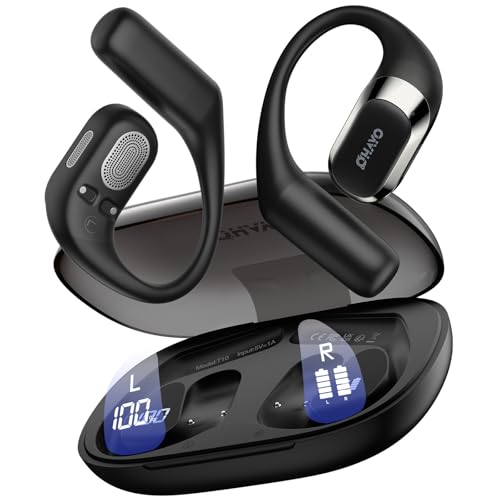
- Oladance open-ear earbuds: wearable-stereo earbuds that use a different open design and are popular for all-day wear.
- Helmet speakers or helmet-integrated audio: small speakers that sit inside the helmet pads and avoid anything on the ears; useful if earbuds irritate you.
- A bike-mounted Bluetooth speaker: keeps both ears completely free, though other road users can hear it and some areas restrict it.
Frequently Asked Questions
Are open-ear headphones actually safe for cycling?
They let more outside sound reach you than sealed earbuds, which helps with awareness. They do not remove the risk, because loud music can still mask traffic. Keep the volume moderate and follow local rules about wearing headphones while riding.
Do bone-conduction headphones sound as good as regular earbuds?
Generally no. Reviewers consistently report weaker bass and less detail, particularly at low volume, because the ear is open and part of the sound is carried by vibration. For podcasts, calls and background music while riding, many people find them perfectly adequate.
Will they stay on over bumps and in a helmet?
Neckband designs tend to stay put because the band wraps behind the head. Clip and hook earbuds depend more on ear shape. Try the combination with your helmet and glasses, and adjust the strap so nothing presses on the arms.
Can I use them in the rain?
Most carry water-resistance ratings from the maker, but the numbers differ. Look at the stated rating, avoid soaking the charging port, and dry them after wet rides. Ratings cover splashes, not diving or pressure washing.
Do open-ear models work well for phone calls on the bike?
Calls work, though wind noise can overwhelm the microphone at speed. Models with noise-reducing microphones help, but expect to slow down or stop for important calls. Voice assistants are useful for hands-free controls.
How long does the battery last?
Makers state anywhere from several hours to a full day depending on the model and test volume. Neckbands often list longer runtimes than earbuds without a case. Plan on shorter real-world use at high volume and charge before long rides.
More from Amazon
Programs that pair well with the guide above. Offers and eligibility are set by Amazon and may change.
Free shipping on eligible items, Prime Video and more. Eligible new members can start with a free trial.
Start a Prime free trialAd-free music streaming. Eligible new subscribers can start with a free trial.
Try Music Unlimited freeA Prime membership for ages 18-24 with a trial period. Eligibility is set by Amazon.
See Prime for Young AdultsAudiobooks and podcasts to listen to on the go. Eligible new members can start with a free trial.
Try Audible freeAs an Amazon Associate we earn from qualifying purchases.