Key takeaways
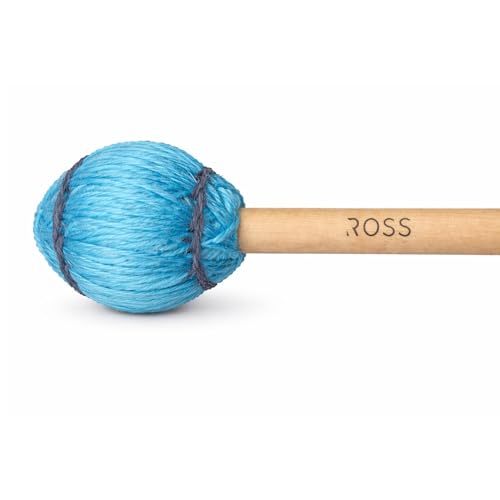
- Mallets matter. Many players use medium or hard yarn mallets, and harder mallets can chip or mark thin bars. Consult the maker’s care guidance on which mallet types to avoid.
- Cleaning. Wipe bars with a soft, lint-free cloth. Avoid household polishes unless the maker approves them, since some finishes can be affected.
- Motor safety. The instrument plugs into household power or uses a power adapter. Use only the supplied or maker-specified power supply, and keep cords away from foot traffic. Anyone unsure about wiring or a faulty power supply should contact the maker or a qualified technician.
- Storage. Keep the instrument away from large temperature or humidity swings. Covers help against dust, and a rolling cart protects the frame during moves.
- Tuning. Bars are tuned at the factory and generally should not be altered by owners. If a bar sounds off, a percussion technician should handle it.
- Hearing. Metal bars can be loud at close range in small rooms. Anyone practicing for long periods may want to consider hearing protection, and a teacher can advise on safe practice levels.
For most students and school programs, an entry-level three-octave vibraphone from a maker such as Adams or Yamaha is the sensible start, while working players and advanced college programs tend to look at pro-level instruments from Musser, Yamaha’s higher series, or Marimba One. The right choice depends on range, bar quality, motor and pedal reliability, and how often the instrument has to be moved.
Our top picks



As an Amazon Associate we earn from qualifying purchases at no extra cost to you.
Vibraphones at a Glance
| Instrument tier | Example makers and lines | Best for | Typical stated features | Limits |
|---|---|---|---|---|
| Budget / student | Adams Alpha series, Yamaha entry models | Beginners, middle-school bands, home practice | Three-octave range (F3 to F6) in the common layout, aluminum bars, motorized resonator fans, damper pedal | Bars and frame are lighter; sustain and tone are less refined; pedal action can feel basic |
| Mid-range | Adams Artist/Soloist lines, Yamaha mid-level models, Musser Ludwig-line instruments | High-school and community players, gigging students | Better bar tuning, sturdier frames, quieter motors, smoother pedals | Heavier, larger footprint; still a step below top-tier tone |
| Pro / concert | Musser M55-style professional models, Yamaha YV-series pro models, Marimba One | Conservatory students, professionals, recording work | Precisely tuned bars, long sustain, adjustable frames, durable motor assemblies | Premium budget, bulky to transport, may need a cover and cart |
Exact bar dimensions, motor specifications and weights differ by model and by production year, so readers should consult each maker’s current product sheet before buying. Product lines are updated periodically, and a previous-generation instrument may still be sold through dealers.
What a Vibraphone Is and Why Specs Matter
A vibraphone is a keyboard percussion instrument with tuned metal bars, usually an aluminum alloy, hung over tubular resonators. Spinning discs inside the resonators, driven by a small electric motor, create the instrument’s signature vibrato. A foot pedal lifts the dampers so the bars ring. Together these parts decide whether an instrument feels musical or frustrating, which is why the details below carry more weight than the badge on the frame.
Range
The most common range is three octaves, F3 to F6. Some makers also offer a three-and-a-half or four-octave layout. Most school ensemble literature and jazz repertoire is playable on three octaves, so a larger range mainly matters for advanced solo and contemporary works. Anyone buying for a program should ask the teacher or director which repertoire is planned before paying for extra bars.
Bars
Entry instruments use bars that are pressed and tuned more loosely, with shorter, thinner sustain. Professional instruments use bars that are tuned in multiple harmonic partials, which gives a clearer pitch and a longer, warmer decay. Finish also matters: silver bars are traditional, while some makers offer gold-colored anodized finishes. The finish is mostly cosmetic, so players should choose by tone and tuning rather than color.
Motor and Resonators
The motor spins the fans in the resonators. Better instruments offer variable speed control and a quiet motor, so the vibrato can be set from slow to fast without noise. Cheaper motors can hum audibly, which becomes obvious in a quiet room or when recording. Reviewers and percussion teachers often list motor noise as a deciding factor for home studios.
Pedal and Damper Bar
The damper pedal should return smoothly and quietly. A noisy or sticky pedal is distracting in soft passages. Some instruments include adjustable pedal height or angle, which helps shorter and taller players. Players with small feet or children may want to try the pedal before buying, if a dealer or school allows it.
Frame and Portability
Entry-level frames are lighter and sometimes fold, which suits band rooms where equipment is moved between spaces. Pro frames are heavier but steadier, and many allow adjustment of working height. Consider door widths, vehicle space, and whether a rolling cover or a travel case is available from the maker.
Pick X If You Need Y
| If you are | Consider | Why |
|---|---|---|
| A beginner or parent buying for a first-year student | An entry-level Adams or Yamaha three-octave model | Covers the common range at the lowest tier; teachers can advise on upgrade timing |
| A school buying for a program | A mid-range Adams or Yamaha instrument with a sturdy frame | Durability and warranty support matter more than top-tier tone |
| A jazz player or gigging musician | Musser or Yamaha pro-level models | Reliable motor, longer sustain, more control over vibrato |
| A recording or studio musician | A pro model with a quiet motor | Motor noise is more audible on a close microphone |
| A player with limited space | The lightest entry model that fits a three-octave layout | Smaller footprint at the cost of some bar quality |
| An advanced college student | Marimba One or a pro Musser/Yamaha | Bar tuning and tone suit recitals and juries |
Budget Tiers and Trade-Offs
At the budget tier, the main compromises are bar thickness, damper action, and motor noise. These instruments are fine for learning technique, but sustain is shorter and the instrument may sound thinner at higher dynamics. A student who continues for several years will often outgrow it.
At the mid-range, makers add better bar tuning, more stable frames and quieter motors. This tier is the common choice for high schools and community groups, since it combines durability with an acceptable tone.
At the premium tier, the buyer is paying for tuned bar harmonics, precision manufacturing, long-term durability, and in some cases custom options such as frame height or bar finish. Many professionals buy used, so previous-generation Musser and Yamaha instruments can be a route to a better instrument at a lower tier, though a buyer should inspect bar condition, motor operation and pedal wear before purchase.
Care, Setup and Practical Notes
- Mallets matter. Many players use medium or hard yarn mallets, and harder mallets can chip or mark thin bars. Consult the maker’s care guidance on which mallet types to avoid.
- Cleaning. Wipe bars with a soft, lint-free cloth. Avoid household polishes unless the maker approves them, since some finishes can be affected.
- Motor safety. The instrument plugs into household power or uses a power adapter. Use only the supplied or maker-specified power supply, and keep cords away from foot traffic. Anyone unsure about wiring or a faulty power supply should contact the maker or a qualified technician.
- Storage. Keep the instrument away from large temperature or humidity swings. Covers help against dust, and a rolling cart protects the frame during moves.
- Tuning. Bars are tuned at the factory and generally should not be altered by owners. If a bar sounds off, a percussion technician should handle it.
- Hearing. Metal bars can be loud at close range in small rooms. Anyone practicing for long periods may want to consider hearing protection, and a teacher can advise on safe practice levels.
Alternatives to Consider
Used Instruments
A well-kept used vibraphone from a recognized maker can offer pro-level bars at a mid-range budget. The risks are worn damper felt, a noisy motor, bent frames and mismatched bars. Buyers should try the instrument in person where possible or ask for a detailed video.
Practice Pads and Digital Keyboard Percussion
For a student who only needs to learn mallet technique, a practice keyboard or digital mallet instrument is quieter and cheaper. It does not reproduce real sustain or motor vibrato, so it is best seen as a supplement rather than a full replacement.
Rental Programs
Many music dealers and schools rent vibraphones. Renting suits beginners who are unsure about long-term commitment, and it avoids the transport and storage problem for families.
Common Buying Mistakes
- Choosing by range alone and ignoring bar quality and motor noise.
- Buying a student model for a player who is already advanced and will quickly outgrow it.
- Ignoring transport: a heavy pro frame may not fit a small car or narrow door.
- Skipping a cover or case, which leaves the bars and motor exposed to dust and bumps.
- Assuming all warranties are equal; some cover the motor and pedal for a shorter period than the frame.
Frequently Asked Questions
What range should a beginner look for?
A three-octave range from F3 to F6 is the common standard and covers most school and jazz repertoire. A beginner rarely needs more. Ask the teacher about planned pieces before paying for a larger instrument.
Is a vibraphone the same as a marimba?
No. A vibraphone uses metal bars, resonators with spinning fans, and a damper pedal for sustain. A marimba uses wooden bars and has a warmer, shorter decay without a motor. Players often study both, but the technique and mallet choices differ.
Do I need the motor on all the time?
No. Many players turn the motor off for straight playing and switch it on for vibrato effects. The motor speed can usually be adjusted, and some pieces and styles use little or no vibrato.
Can I use a vibraphone in a small apartment?
It is possible, but metal bars carry sound. Using softer mallets, playing at modest volume and choosing a quieter motor help. Check lease or neighbor expectations before regular practice, and consider a digital alternative for late-night sessions.
How do I know when to upgrade?
Common signs are limited sustain, a noisy motor or pedal, and repertoire that exceeds the instrument’s range. A private teacher can advise whether the issue is the instrument or the technique.
Is buying used a good idea?
It can be, since professional instruments hold value. Inspect bars for dents, test the motor across speeds, press the pedal repeatedly, and ask about repairs. When in doubt, bring a teacher or technician.
More from Amazon
Programs that pair well with the guide above. Offers and eligibility are set by Amazon and may change.
Free shipping on eligible items, Prime Video and more. Eligible new members can start with a free trial.
Start a Prime free trialAd-free music streaming. Eligible new subscribers can start with a free trial.
Try Music Unlimited freeA Prime membership for ages 18-24 with a trial period. Eligibility is set by Amazon.
See Prime for Young AdultsAudiobooks and podcasts to listen to on the go. Eligible new members can start with a free trial.
Try Audible freeAs an Amazon Associate we earn from qualifying purchases.