The best cell phone charger for most people in 2026 is a compact 45W GaN wall charger such as the Anker Nano 45W: it fast-charges iPhones, Pixels and Samsung Galaxy phones, and it is small enough to travel with. Pick a 65W multiport charger like the Anker 735 or UGREEN Nexode if you also charge a laptop or several devices from one outlet. Whatever you choose, the charger only sets the ceiling; your phone’s own charging protocol decides the real speed.
Our top picks

 Anker 65W Max 3-Port USB C Charger
- the Only Charger You Need: Say goodbye to…
- High-Speed Charging: Connect a single device to get…
- Compact Design: Power up to 3 devices with…


As an Amazon Associate we earn from qualifying purchases at no extra cost to you.
Quick comparison of the best cell phone chargers
| Pick | Best for | Key specs (per maker listings) | Price range |
|---|---|---|---|
| Anker Nano 45W | Best overall | 1x USB-C, 45W PD with PPS, foldable plug | Budget to mid |
| Samsung 45W Super Fast Charger 2.0 | Best for Galaxy owners | 1x USB-C, 45W, PPS | Mid |
| Apple 20W USB-C Power Adapter | Best for iPhone basics | 1x USB-C, 20W PD | Budget |
| Anker 735 Nano II 65W | Best multiport | 3 ports (2x USB-C, 1x USB-A), 65W total | Mid |
| UGREEN Nexode 65W 4-Port | Best for desks and households | 3x USB-C + 1x USB-A, 65W total | Mid |
| Qi2 15W wireless charger | Best for bedside | Magnetic alignment, 15W max | Budget to mid |
Best overall: Anker Nano 45W
Anker’s guides describe the Nano 45W as the best everyday-carry pick, and its specs back it up: 45W Power Delivery with PPS support, a single USB-C port, a foldable plug, and a status display on some versions. For a typical Galaxy phone, 45W Super Fast Charging 2.0 means about half a charge in 20 minutes or so, according to Anker. iPhones will not draw 45W, but they still fast-charge at their own maximum.
Who it suits: anyone with one main phone who wants a small, safe brick for the nightstand and bag. Main trade-off: a single port, so a second device needs its own charger.
Best for Galaxy owners: Samsung 45W Super Fast Charger
Samsung’s own 45W adapter is the guaranteed-compatible option for recent Galaxy S and Note-class phones with 45W support. It avoids the guesswork of third-party PPS behavior. The trade-off is that it costs more than a comparable Anker brick for the same output, and many Galaxy models cap at 25W anyway, so check your model’s maximum first.
Best for iPhone basics: Apple 20W USB-C Power Adapter
If you only want to charge an iPhone quickly without spending much, Apple’s 20W adapter does the job. Recent iPhones fast-charge to about 50 percent in roughly 30 minutes with a 20W-or-higher USB-C PD charger, according to Apple. The downside is that 20W leaves no room for tablets or laptops, so it is the entry-level choice.
Best multiport: Anker 735 Nano II 65W
TechGearLab gave the Anker 735 its Editors’ Choice for multiport chargers on size, value and power delivery. It has two USB-C ports and one USB-A, and with all three in use the top USB-C port still delivers about 40W, per reviewers, which covers a phone and a tablet. With one device attached it can push 65W for a thin laptop.
Who it suits: people who want one brick for phone, earbuds and a laptop. Main trade-off: power is shared, so the headline 65W is only available to a single port.
Best for desks and households: UGREEN Nexode 65W 4-Port
With three USB-C ports and one USB-A, the Nexode is a good fit when several people share an outlet, such as a kitchen counter or desk. It uses GaN technology to stay small for the output. The trade-off is that a four-port brick is bulkier than a single-port travel charger, and the total wattage divides quickly when all four ports are in use.
Best for bedside: a Qi2 wireless charger
Qi2 chargers use magnets to align the phone and deliver up to 15W, which is slower than wired but convenient for overnight charging. Choose one with a USB-C PD input and a proper power adapter, because a weak adapter will throttle the pad. Wireless charging also produces more heat and wastes some energy compared with a cable, so use wired charging when you need a fast top-up.
How many watts does your phone need?
| Phone type | Typical max wired speed | Charger size to buy |
|---|---|---|
| Recent iPhones | About 20W to 27W | 30W |
| Pixel phones | About 21W to 30W | 30W |
| Galaxy S-series | 25W to 45W (model dependent) | 45W with PPS |
| Foldables and tablets | 25W to 45W | 45W |
| Phone plus laptop | Up to 65W for the laptop | 65W multiport |
These figures vary by exact model, so check your phone’s spec sheet. As a rule, buy a charger rated at or above your phone’s maximum and you will not be the bottleneck.
Worked example: how long a full charge takes
A typical 5,000 mAh battery holds roughly 19 to 20 Wh. If your phone averages 18W of real input over a charge (speeds taper above about 80 percent), the math is 20 Wh divided by 18W, about 65 minutes for a full charge, with roughly the first 30 minutes delivering the bulk. Doubling the charger wattage will not halve that time, because the phone, not the brick, limits the rate.
Durability and ownership realities
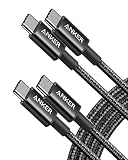
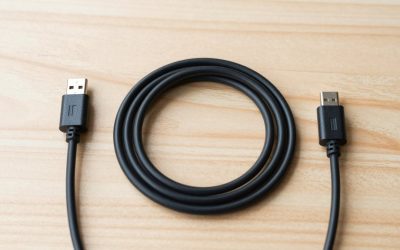
- Cables fail first. Frayed USB-C cables cause most slow-charge complaints. Replace damaged cables rather than the charger.
- Heat is the long-term enemy. Avoid charging under pillows or in direct sun, and choose GaN bricks, which run cooler per watt.
- Folding prongs loosen over time. Travel bricks with foldable plugs sit best in standard outlets and may wobble in loose or worn sockets.
- Counterfeits exist. Fake branded chargers often lack proper safety protection. Buy brands with clear model numbers and safety certifications such as UL or ETL.
Which one should you buy?
| If you | Choose |
|---|---|
| Own one phone and travel often | Anker Nano 45W |
| Own a recent Galaxy and want zero compatibility doubt | Samsung 45W |
| Need the cheapest reliable iPhone charger | Apple 20W |
| Carry a phone and a laptop | Anker 735 65W |
| Share one outlet with family | UGREEN Nexode 4-port |
| Charge overnight beside the bed | Qi2 pad with a PD adapter |
Frequently Asked Questions
Can a high-wattage charger damage my phone?
No. The phone and charger negotiate power through USB Power Delivery, so the phone only draws what it can handle. A certified 65W charger is safe for a phone that accepts 20W.
Is fast charging bad for battery health?
Fast charging generates more heat, which can slightly speed up battery wear over years. Modern phones manage this with software that slows charging at high percentages, so for most people the effect is small. Using a cooler environment and avoiding charging in a hot case helps.
Should I use the charger that came with my phone?
Not necessarily. Many phones now ship without a charger, and a good third-party brick often charges faster and carries more ports. Just confirm it supports your phone’s protocol, such as PD or PPS.
What is GaN and does it matter?
GaN (gallium nitride) is a semiconductor material that wastes less energy as heat than traditional silicon. That lets manufacturers make smaller, cooler chargers at the same wattage.
Is wireless charging worth it?
For overnight or desk use, yes, because it is convenient and reduces wear on the charging port. For fast top-ups, wired charging is faster and more efficient.