Key takeaways
- Standard: Look for Qi2 for 15W magnetic charging. Older Qi pads often deliver 7.5W to iPhones and 9W-10W to Android. The best wireless phone charger for Android is now almost always Qi2, not brand-specific fast wireless charging, because Samsung, Pixel, and other Android flagships have moved to Qi2 magnetic compatibility.
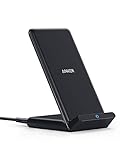
- Alignment: Magnetic chargers snap into place. Non-magnetic pads with a single coil require careful placement and often slip overnight. Stands with two coils are more forgiving than flat pads for nightstand use.
- Case compatibility: Most pads work through non-metal cases up to 3-5mm thick. Magnetic charging requires a MagSafe-compatible or Qi2-compatible case. Thick wallet cases, metal rings, pop grips, and credit cards behind the phone will block or overheat wireless charging.
- Power adapter: A 15W wireless charger typically needs a 20W or higher USB-C PD adapter. Many chargers ship without a wall adapter, which is a common reason for slow charging.
The best wireless phone charger for most people in 2026 is a Qi2-certified magnetic pad or stand rated for 15W, because it holds alignment automatically and delivers consistent fast charging for both iPhone and Android without excess heat.
- How to choose: wattage, heat, and alignment matter more than brand
- Comparison: pads, stands, and stations with real numbers
- Which type should you buy? Decision matrix
- Charging speed reality: a worked calculation
- Heat, cases, and overnight reliability
- Durability and ownership: what actually wears out
- Bottom line for 2026
For iPhone 12 and newer and recent Samsung Galaxy, Google Pixel, and Motorola phones with magnetic cases, Qi2 is the safest pick. If you need a different form factor, the categories below cover the most common alternatives people search for as best cordless phone chargers, including portable battery types, travel models, and 2-in-1 stations.
As an Amazon Associate we earn from qualifying purchases at no extra cost to you.
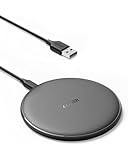

How to choose: wattage, heat, and alignment matter more than brand
Wireless charging speed depends on three things: the charging standard, coil alignment, and temperature control. A charger advertised as 15W will only sustain that output if the phone stays centered and cool. Once the phone reaches about 80% charge or gets warm, power drops to 5W-7.5W to protect the battery.
- Standard: Look for Qi2 for 15W magnetic charging. Older Qi pads often deliver 7.5W to iPhones and 9W-10W to Android. The best wireless phone charger for Android is now almost always Qi2, not brand-specific fast wireless charging, because Samsung, Pixel, and other Android flagships have moved to Qi2 magnetic compatibility.
- Alignment: Magnetic chargers snap into place. Non-magnetic pads with a single coil require careful placement and often slip overnight. Stands with two coils are more forgiving than flat pads for nightstand use.
- Case compatibility: Most pads work through non-metal cases up to 3-5mm thick. Magnetic charging requires a MagSafe-compatible or Qi2-compatible case. Thick wallet cases, metal rings, pop grips, and credit cards behind the phone will block or overheat wireless charging.
- Power adapter: A 15W wireless charger typically needs a 20W or higher USB-C PD adapter. Many chargers ship without a wall adapter, which is a common reason for slow charging.
Comparison: pads, stands, and stations with real numbers
The table below summarizes typical specifications for current types from established brands such as Anker, Belkin, Samsung, ESR, Ugreen, Mophie, and Apple. Use it to compare size, sustained power, and case tolerance rather than headline wattage alone.
| Type / Example category | Max wireless output | Sustained output after heat throttling | Size and weight | Case thickness supported | Extra features |
|---|---|---|---|---|---|
| Qi2 magnetic flat pad (e.g., Anker MagGo, ESR HaloLock, Belkin BoostCharge Pro style) | 15W | 10-12W for 60-90 min, then 7.5W | 60-65mm diameter, 8-12mm thick, 55-90g | Up to 3mm magnetic, up to 5mm non-magnetic at lower speed | NTC temperature sensor, 1.5m USB-C cable |
| Qi2 convertible stand (e.g., Belkin, ESR, Ugreen MagFlow style) | 15W | 11-13W with airflow, then 7.5W | 65 x 70 x 110mm folded, 140-190g | Up to 3mm magnetic | Adjustable 60-70 degree angle, better for overnight alignment |
| Samsung 15W Wireless Charger Duo / Stand | 15W Samsung Fast Wireless Charging 2.0, 7.5W iPhone | 9-12W sustained with fan | Pad: 110 x 90 x 15mm, 170g; Stand similar | Up to 5mm non-magnetic | Built-in fan, best wireless charger for Android without magnets |
| Best phone and watch charger: 2-in-1 / 3-in-1 station (e.g., Belkin, Anker, Mophie, Nomad) | 15W phone + 5W watch + 5W earbuds | Phone drops to 7.5W when all coils active | 190-220mm wide, 350-550g | Up to 3mm magnetic phone case | Apple Watch fast-charge puck, requires 30-45W adapter |
| Best battery phone charger: 10,000 mAh magnetic power bank with wireless | 15W Qi2 wireless + 20-22.5W wired USB-C | 7.5-10W wireless sustained | 100 x 65 x 15-19mm, 200-230g | Direct magnetic attach, no extra spacing | Doubles as stand, 10,000 mAh = 1.5-1.8 phone charges |
| Best small phone charger: puck-style travel pad | 15W Qi2 or 7.5-10W Qi | 7.5-10W sustained | 55-60mm diameter, 6-8mm thick, 35-55g | Up to 3mm | Folding cable or detachable USB-C, no wall plug included |
Which type should you buy? Decision matrix
Pick by situation, not by maximum wattage:
| If you are… | Buy this | Why |
|---|---|---|
| Charging iPhone or Android overnight on a nightstand | Qi2 magnetic stand | Gravity and magnets keep coils aligned for 6-8 hours; prevents slow trickle from misalignment |
| Using Android without a magnetic case (Galaxy, Pixel) | Samsung-style stand or Qi2 pad + magnetic case | Non-magnetic stand with alignment guides avoids sliding; magnetic case upgrades you to full Qi2 speed |
| Charging phone + watch + earbuds in one spot | 3-in-1 Qi2 station | One wall outlet, correct spacing for Watch charger, less cable clutter |
| Commuting or flying often | Best travel phone charger: compact Qi2 puck + 30W GaN wall charger | Puck weighs under 60g and packs flat; GaN plug powers laptop in a pinch |
| Need backup power off-grid | Magnetic wireless battery bank (10,000 mAh) | Snaps to phone for walk-around charging, plus wired port for faster top-ups |
| On a tight budget, desk-only use | Single-coil Qi pad 10-15W | Lowest price range, typically $15-$30, acceptable if you place phone carefully |
Charging speed reality: a worked calculation
Wireless charging is about 65-75% efficient, compared to 85-90% for wired. That efficiency gap creates heat and longer times, especially past 80%.
Example for a phone with a 4,500 mAh battery (about 17 Wh):
- At a sustained 12W wireless with 70% efficiency, about 8.4W reaches the battery. 17 Wh / 8.4W = about 2 hours for 0-100% in ideal cooling, but throttling extends this to 2.5-3 hours in practice.
- The same phone on a 20W wired charger at 88% efficiency gets about 17.6W. 17 Wh / 17.6W = under 1 hour to about 80%, plus 30-40 minutes trickle to full.
- Overnight, this difference does not matter. A Qi2 stand delivering even 7.5W sustained will fully charge any modern phone in 3-4 hours and maintain 100% with low heat until morning.
Practical takeaway: do not buy a higher-wattage pad expecting half the charge time. Improving alignment and airflow cuts more time than going from 15W to 25W branded super-fast wireless, which usually only lasts for 20-30 minutes before heat limits kick in.
What about the best solar phone charger?
Solar wireless chargers are a separate niche. Most models marketed as solar chargers are actually solar battery banks with a small 5-10W panel and a Qi pad on top. The panel alone cannot sustain 10W output – a typical 8 x 10 cm panel produces 1.5-2.5W in full sun, enough to trickle-charge the internal 10,000-20,000 mAh battery over 20-40 hours.
They make sense for camping or emergency kits where you can leave the bank in the sun all day, then wirelessly charge the phone at night. For daily fast charging, a wall-powered Qi2 pad charges 10-15 times faster and runs cooler. If you buy solar, choose one with USB-C input so you can pre-charge from the wall, plus pass-through Qi output.
Heat, cases, and overnight reliability
Heat buildup is the main reason a phone is warm and only at 60% in the morning. Common causes are thick cases, foreign objects, and poor airflow.
- Keep total distance under 5mm. Remove metal plates, magnetic wallet attachments, and cards. Silicone cases over 4mm trap more heat than thin polycarbonate Qi2 cases.
- Place stands upright with 1-2 cm clearance behind for airflow. Do not charge on a bed pillow or under a blanket. Flat pads on wood or stone stay 3-5 degrees C cooler than on fabric.
- If your phone has an Adaptive / Optimized Charging limit (usually 80-85%), leave it on for overnight wireless. It reduces time spent at high voltage and heat.
- A faint fan noise on Samsung, Anker Prime, and similar stands is normal on high-power mode. Silent NTC-only pads run quieter but throttle sooner.
Durability and ownership: what actually wears out
Wireless chargers do not have batteries to replace, but three parts fail first:
- USB-C cable and port: Daily plugging and folding cracks travel puck cables within 12-18 months. Choose detachable cables and avoid 90-degree strain.
- Non-slip ring and hinges: Rubber rings collect dust and lose grip, letting the phone drift off-coil. Wipe monthly with a dry microfiber cloth; avoid alcohol on matte coatings. On folding stands, hinges loosen first – a single-piece stand lasts longer on a desk.
- Watch puck and fabric surfaces: On multi-device stations, the Apple Watch indentation collects sweat and lotion. Clean with a dry cotton swab. Fabric-covered pads stain and insulate heat – smooth plastic or aluminum stays cooler.
To avoid mistakes, always pair the charger with a power adapter that meets its input requirement printed on the bottom (usually 5V/3A, 9V/2.22A or higher). Using an old 5W USB-A adapter with a USB-A to USB-C cable will cap even the best wireless charger for Android at 5W, making fast-charge complaints almost inevitable.
Bottom line for 2026
For fast, reliable overnight charging, buy a Qi2 magnetic stand for bedside use, a compact Qi2 puck as the best travel phone charger, and a 10,000 mAh magnetic bank as the best battery phone charger for off-desk power. Add a dedicated 2-in-1 or 3-in-1 only if you charge a watch daily. Together these four types cover every version of the best cordless phone chargers search without paying extra for inflated wattage claims.