Shopping for the cheapest smartphone on the market is a specific problem. You need something that makes calls, runs messaging apps, survives a full day on a single charge, and doesn’t lock you into a carrier contract you can’t escape. The budget tier is crowded with devices that look identical on spec sheets but behave very differently in daily use.
What separates a worthwhile cheapest smartphone from a regrettable one comes down to a handful of factors: usable RAM (enough to keep apps from reloading constantly), a battery that genuinely lasts past dinner, and confirmed compatibility with the network you plan to join. Software update promises and camera quality are nice, but they cannot compensate for a phone that dies at noon or refuses to register on your carrier’s towers. The eight options below represent the current low-price landscape, sorted from prepaid bundles to bare unlocked hardware.
Our top picks
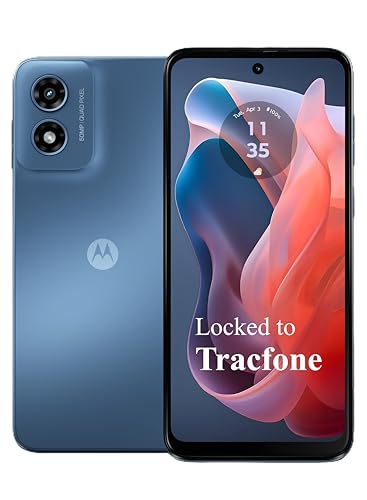 Tracfone Moto g Play 2024 Prepaid Phone
- Carrier: This phone is locked to Tracfone, which…
- ACTIVATION Promotion: Includes 1500 min, 1500 texts &…
- 50MP Quad Pixel camera
 Motorola Moto G Play LTE
- Blazing-fast Qualcomm performance
- Fluid display + immersive stereo sound
- 50MP*** Quad Pixel camera
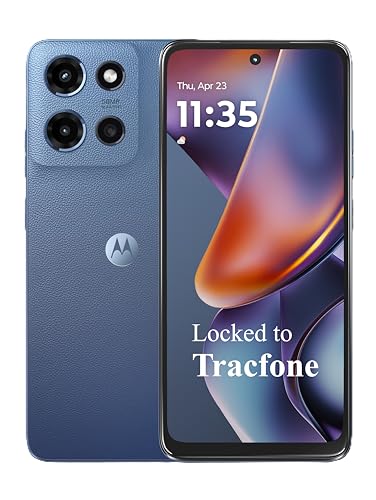 Tracfone Motorola Moto G 2025
- Carrier: This phone is locked to Tracfone, which…
- Immersive viewing on a 6.7-inch super-bright 120Hz display…
- Advanced 50MP Quad Pixel camera captures sharp, detailed…
| Product | Key specs | |
|---|---|---|
| Tracfone Moto g Play 2024 Prepaid Phone | Carrier: This phone is locked to Tracfone, which… ACTIVATION Promotion: Includes 1500 min, 1500 texts &… 50MP Quad Pixel camera | Check price |
| Motorola Moto G Play LTE | Blazing-fast Qualcomm performance Fluid display + immersive stereo sound 50MP*** Quad Pixel camera | Check price |
| Tracfone Motorola Moto G 2025 | Carrier: This phone is locked to Tracfone, which… Immersive viewing on a 6.7-inch super-bright 120Hz display… Advanced 50MP Quad Pixel camera captures sharp, detailed… | Check price |
 Rogue R67S Unlocked 4G LTE Smartphone for Rogue R67S Unlocked 4G LTE Smartphone for | Unlocked for T-Mobile and AT&T networks, including T-Mobile… FULL ANDROID 15 GO + GOOGLE PLAY LARGE 6.745-INCH HD+ DISPLAY | Check price |
 BLU G35 BLU G35 | GSM Unlocked: Enjoy seamless connectivity with your preferred… Boundless Views: Enjoy immersive viewing on the spacious… Smooth Performance, All Day: Powered by an efficient… | Check price |
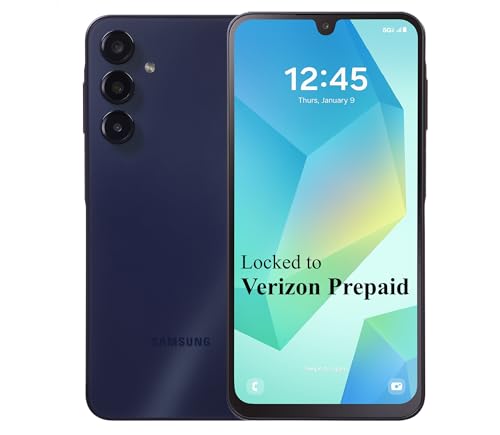 Verizon Prepaid Samsung Galaxy A16 5G Verizon Prepaid Samsung Galaxy A16 5G | Carrier: This phone is locked to the Verizon… VIBRANT DISPLAY, SMOOTH SCROLLING Snap stunning, high-resolution photos with the versatile 50MP… | Check price |
 Mini Smartphone 3.0" Unlocked Mini Phone World's Mini Smartphone 3.0" Unlocked Mini Phone World's | 1 2 3 | Check price |
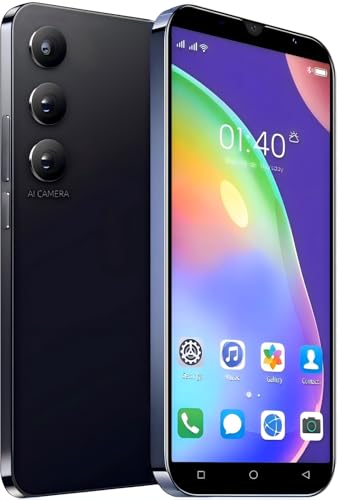 Unlocked Cell Phone Unlocked Cell Phone | 【2025 Smartphone Available Frequency 】Make sure your SIM… 【Powerful Processor】The powerful processor greatly improves the network,… 【Dual SIM Unlocked Phone】Dual card dual standby, high‘definition… | Check price |
As an Amazon Associate we earn from qualifying purchases at no extra cost to you.
Quick Picks
| Product | Best for | Price |
|---|---|---|
| Tracfone Moto g Play Prepaid | First prepaid phone with plan included | $49.99 |
| Motorola Moto G Play LTE Unlocked | Best unlocked value with a capable camera | $99.99 |
| Tracfone Motorola Moto G (Locked) | Tracfone loyalists wanting a locked device | $49.88 |
| Rogue R67S | Removable-battery flexibility on a big screen | $59.99 |
| BLU G35 Unlocked | Simple unlocked option with US warranty | $64.99 |
| Verizon Prepaid Galaxy A16 5G | 5G coverage on Verizon’s prepaid network | $49.88 |
| Mini Smartphone 3.0″ | Ultra-compact secondary or minimalist phone | $38.99 |
| Unlocked Android 14 Smartphone (2+8G) | Absolute lowest price, basic calling | $24.99 |
How We Picked
We narrowed the field using four criteria: published price, battery capacity relative to display size, RAM-to-storage pairing (devices with under 2 GB of RAM were excluded unless the tradeoff was clearly stated), and confirmed network compatibility. Owner feedback on long-term reliability and daily usability filled in gaps that spec sheets cannot reveal.
The 8 Best Cheapest Smartphone in 2026
Tracfone Moto g Play Prepaid Phone with 1-Yr Plan
This bundle targets buyers who want a turnkey prepaid setup: hardware plus a full year of service in one purchase. The Moto g Play line has a reputation for adequate build quality, and the included plan removes the guesswork of finding compatible service.
- Pro: One-year plan bundled in, eliminating a separate activation cost
- Pro: Motorola’s near-stock Android experience avoids bloatware that plagues many budget devices
- Con: Locked to Tracfone’s network; reselling or switching carriers requires unlocking steps
Skip this if you already have a carrier relationship or want the freedom to switch prepaid providers seasonally.
Motorola Moto G Play LTE Unlocked (4/64GB)
The priciest entry on this list, but also the most complete. Four gigabytes of RAM and 64 GB of storage push this into territory where multitasking stops being an exercise in patience. The 50-megapixel camera is unusual at this price tier.
- Pro: Doubles the RAM of most competitors here, yielding noticeably smoother app switching
- Pro: Unlocked, so it works on any compatible GSM or CDMA carrier without modification
- Con: Highest sticker price on the list, at roughly double the median
Skip this if your budget is firm under seventy dollars; the performance gains over cheaper options are real but not essential for basic tasks.
Tracfone Motorola Moto G 64GB (Locked)
A locked Tracfone variant of the Moto G line with 64 GB of storage. It suits buyers already invested in Tracfone’s ecosystem who want more room for photos and apps without paying the premium of the unlocked Moto G Play.
- Pro: 64 GB storage at this price point is rare and practical for offline media
- Pro: Moto G design language offers a cleaner interface than many white-label budget phones
- Con: Carrier lock means no flexibility to move to another network without unlocking procedures
Skip this if you value carrier freedom or plan to gift the phone to someone on a different network.
Rogue R67S Unlocked 4G LTE Smartphone
The Rogue stands out with Android 15 Go edition and a 6.8-inch display—both uncommon at this price. The removable 4,000 mAh battery adds practical longevity: when capacity degrades, a replacement cell is cheap and swap-in minutes.
- Pro: Removable battery extends the phone’s usable lifespan well beyond sealed-battery rivals
- Pro: Android 15 Go keeps the software fresh and lightweight for modest hardware
- Con: 32 GB internal storage fills quickly; expandable microSD is a necessity, not an option
Skip this if you refuse to manage a microSD card or want a phone that feels premium in the hand.
BLU G35 Unlocked
BLU’s G35 occupies the middle ground: unlocked, US-warrantied, and built around a 6.5-inch HD+ panel. It is a safe default for buyers who want a no-surprises unlocked phone without committing to Motorola’s price jump.
- Pro: US warranty from a domestic brand reduces the support friction common with imported devices
- Pro: Unlocked at a price under the Motorola, making carrier switching painless
- Con: 3 GB RAM and 32 GB storage pair will feel restrictive after a few months of app installs
Skip this if you run more than a handful of apps concurrently or shoot frequently in low light.
Verizon Prepaid Samsung Galaxy A16 5G (128GB)
A 5G-capable Samsung at under fifty dollars is the headline here. One hundred twenty-eight gigabytes of storage dwarfs everything else on this list. The catch is the Verizon prepaid lock, which binds you to that ecosystem.
- Pro: Only 5G radio on this roundup, future-proofing for coverage expansion
- Pro: 128 GB storage removes the constant worry about space management
- Con: Locked to Verizon prepaid; no T-Mobile, AT&T, or MVNO use without unlocking
Skip this if you are not a Verizon prepaid customer or expect to switch providers within the first year.
Mini Smartphone 3.0″ Unlocked
A deliberately tiny Android phone aimed at minimalist users, parents buying a first device for young children, or anyone wanting a secondary phone that disappears in a pocket. It sacrifices screen real estate for portability and low cost.
- Pro: Smallest and lightest form factor here, genuinely pocketable in any situation
- Pro: Unlocked, so it accepts any compatible SIM for travel or secondary-line use
- Con: 3-inch screen makes web browsing, email, and messaging apps feel cramped
Skip this if it will be your only phone or if you type more than a few messages per day.
Unlocked Android 14 Smartphone (2+8G)
At under twenty-five dollars, this is the cheapest functional smartphone available. Android 14 is a genuine OS version, and dual-SIM support adds utility. However, 2 GB of RAM and a 2850 mAh battery set clear expectations.
- Pro: Lowest absolute price; viable as an emergency backup or burner phone
- Pro: Dual-SIM slots let you run two lines simultaneously without carrying two devices
- Con: 2 GB RAM causes app reloads and noticeable lag with any modern web page
Skip this if you need a primary daily driver; it serves as a backup or first-phone-for-kids, not a main device.
Buying Guide
Battery Capacity Relative to Display Size
Milliamp-hour numbers are meaningless without context. A 3,000 mAh cell behind a 6.8-inch panel drains twice as fast as the same cell behind a 3.0-inch screen. When comparing the cheapest smartphone options, divide the published battery figure by the display diagonal to get a rough efficiency ratio. Higher ratios mean longer standby and screen-on time under identical usage patterns.
RAM and Storage Pairing
Budget phones succeed or fail on whether the RAM-to-storage combination keeps the system responsive. Two gigabytes of RAM is the current floor for acceptable multitasking; three gigabytes handles moderate use; four or more removes most friction. Storage below 32 GB forces you to delete apps or rely on cloud backup constantly. Aim for at least 64 GB if you plan to keep the phone beyond a few months.
Network Band Compatibility and Lock Status
Not every cheap phone supports the same LTE or 5G bands. Before purchasing, confirm the device lists your carrier’s primary and secondary bands on its spec page. Locked phones are cheaper upfront but can become unusable if you switch providers, and unlocking policies vary widely. Unlocked devices cost slightly more but protect your option value.
Our Verdict
The best overall cheapest smartphone is the Verizon Prepaid Samsung Galaxy A16 5G: 128 GB of storage, 5G hardware, and Samsung’s software support at a sub-fifty-dollar price make it the strongest spec-per-dollar choice. The best absolute budget pick is the Unlocked Android 14 Smartphone at $24.99—functional, dual-SIM, and cheap enough to serve as a backup or a child’s first phone without consequence.
However, if you refuse to be carrier-locked and want the smoothest daily experience, the Motorola Moto G Play LTE Unlocked justifies its higher price through doubled RAM and a camera that punches well above its tier.
FAQ
Can a phone under fifty dollars handle daily tasks?
Yes, for calls, texting, maps, and light social media. Expect slower app loading and limited multitasking compared to midrange devices, but the core functions work reliably.
Are prepaid locked phones worth the discount?
Only if you are certain the carrier will meet your coverage needs for the phone’s lifespan. Lock-in can cost more long-term than buying an unlocked device a few dollars higher.
Does 5G matter on a budget phone?
It matters only if 5G coverage exists where you live and your carrier actively markets it. On many budget devices the 5G radio drains the battery without a perceptible speed gain over LTE.
How long will a cheapest smartphone realistically last?
Most budget phones receive two to three years of usable life before battery degradation, storage saturation, or dropped software updates make them frustrating. A removable battery, as found on the Rogue R67S, can extend that window significantly.