Buying a wireless upgrade used to mean choosing between a router that handled your apartment and one that reached the garage. In 2026, the wifi deals landscape splits across three camps: standalone routers for simple setups, mesh systems that blanket larger homes, and accessories like extenders and USB adapters that patch coverage gaps without replacing your existing hardware. The confusion comes from specs that look similar at a glance — a number like “AC1200” or “AX1800” tells you theoretical throughput, not how the signal behaves through drywall or how many devices you can juggle before buffering starts.
What separates a worthwhile purchase from a regret depends on how well the product matches your actual living situation. A $15 USB adapter solves a desktop that never had wireless, but it cannot fix a dead zone two rooms away. A mesh system eliminates dead zones entirely but costs four times as much as a budget extender that covers a similar footprint if placed correctly. This roundup compares specs, published performance claims, and owner feedback so you can match each device to the problem you actually have rather than the number that sounds impressive on a box.
Our top picks
 TP-Link AX1800 WiFi 6 Router
- Wi-Fi 6(802.11ax) technology achieves faster speeds, greater capacity…
- Enjoy smoother and more stable streaming, gaming, downloading…
- Wi-Fi 6 technology communicates more data to more…
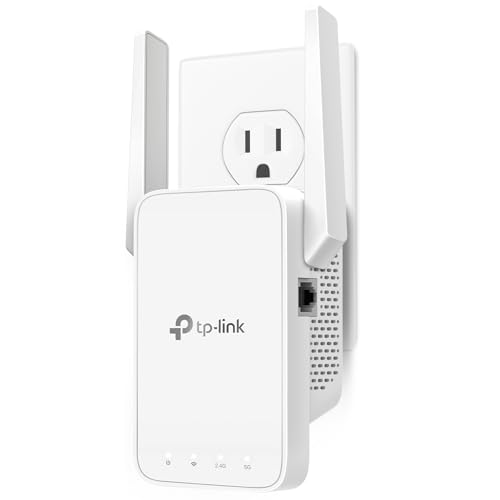 TP-Link AC1200 WiFi Extender
- 𝐒𝐭𝐫𝐨𝐧𝐠𝐞𝐫 𝐖𝐢-𝐅𝐢 𝐢𝐧 𝐄𝐯𝐞𝐫𝐲 𝐂𝐨𝐫𝐧𝐞𝐫 - Enjoy extended…
- 𝐃𝐮𝐚𝐥-𝐁𝐚𝐧𝐝 𝐖𝐢𝐅𝐢 𝐄𝐱𝐭𝐞𝐧𝐝𝐞𝐫 𝐰𝐢𝐭𝐡 𝟏.𝟐 𝐆𝐛𝐩𝐬 𝐓𝐨𝐭𝐚𝐥 𝐁𝐚𝐧𝐝𝐰𝐢𝐝𝐭𝐡…
- 𝐌𝐚𝐱𝐢𝐦𝐢𝐳𝐞𝐝 𝐂𝐨𝐯𝐞𝐫𝐚𝐠𝐞 𝐮𝐩 𝐭𝐨 𝟏𝟓𝟎𝟎 𝐒𝐪
 TP-Link AC1900 WiFi Range Extender RE550
- 𝐃𝐮𝐚𝐥-𝐁𝐚𝐧𝐝 𝐖𝐢𝐅𝐢 𝐄𝐱𝐭𝐞𝐧𝐝𝐞𝐫 𝐰𝐢𝐭𝐡 𝟏.𝟗 𝐆𝐛𝐩𝐬 𝐓𝐨𝐭𝐚𝐥 𝐁𝐚𝐧𝐝𝐰𝐢𝐝𝐭𝐡…
- 𝐌𝐚𝐱𝐢𝐦𝐢𝐳𝐞𝐝 𝐂𝐨𝐯𝐞𝐫𝐚𝐠𝐞 𝐮𝐩 𝐭𝐨 𝟐𝟏𝟎𝟎 𝐒𝐪
- 𝐎𝐮𝐫 𝐂𝐲𝐛𝐞𝐫𝐬𝐞𝐜𝐮𝐫𝐢𝐭𝐲 𝐂𝐨𝐦𝐦𝐢𝐭𝐦𝐞𝐧𝐭 - TP-Link is a signatory…
| Product | Key specs | |
|---|---|---|
| TP-Link AX1800 WiFi 6 Router | Wi-Fi 6(802.11ax) technology achieves faster speeds, greater capacity… Enjoy smoother and more stable streaming, gaming, downloading… Wi-Fi 6 technology communicates more data to more… | Check price |
| TP-Link AC1200 WiFi Extender | 𝐒𝐭𝐫𝐨𝐧𝐠𝐞𝐫 𝐖𝐢-𝐅𝐢 𝐢𝐧 𝐄𝐯𝐞𝐫𝐲 𝐂𝐨𝐫𝐧𝐞𝐫 - Enjoy extended… 𝐃𝐮𝐚𝐥-𝐁𝐚𝐧𝐝 𝐖𝐢𝐅𝐢 𝐄𝐱𝐭𝐞𝐧𝐝𝐞𝐫 𝐰𝐢𝐭𝐡 𝟏.𝟐 𝐆𝐛𝐩𝐬 𝐓𝐨𝐭𝐚𝐥 𝐁𝐚𝐧𝐝𝐰𝐢𝐝𝐭𝐡… 𝐌𝐚𝐱𝐢𝐦𝐢𝐳𝐞𝐝 𝐂𝐨𝐯𝐞𝐫𝐚𝐠𝐞 𝐮𝐩 𝐭𝐨 𝟏𝟓𝟎𝟎 𝐒𝐪 | Check price |
| TP-Link AC1900 WiFi Range Extender RE550 | 𝐃𝐮𝐚𝐥-𝐁𝐚𝐧𝐝 𝐖𝐢𝐅𝐢 𝐄𝐱𝐭𝐞𝐧𝐝𝐞𝐫 𝐰𝐢𝐭𝐡 𝟏.𝟗 𝐆𝐛𝐩𝐬 𝐓𝐨𝐭𝐚𝐥 𝐁𝐚𝐧𝐝𝐰𝐢𝐝𝐭𝐡… 𝐌𝐚𝐱𝐢𝐦𝐢𝐳𝐞𝐝 𝐂𝐨𝐯𝐞𝐫𝐚𝐠𝐞 𝐮𝐩 𝐭𝐨 𝟐𝟏𝟎𝟎 𝐒𝐪 𝐎𝐮𝐫 𝐂𝐲𝐛𝐞𝐫𝐬𝐞𝐜𝐮𝐫𝐢𝐭𝐲 𝐂𝐨𝐦𝐦𝐢𝐭𝐦𝐞𝐧𝐭 - TP-Link is a signatory… | Check price |
 TP-Link Deco X55 AX3000 WiFi 6 Mesh TP-Link Deco X55 AX3000 WiFi 6 Mesh | Wi-Fi 6 Mesh Wi-Fi - Next-gen Wi-Fi 6… Whole Home WiFi Coverage - Covers up to… Connect More Devices - Deco X55(3-pack) is strong… | Check price |
 TP-Link AC600 USB WiFi Adapter for Desktop TP-Link AC600 USB WiFi Adapter for Desktop | 𝐋𝐨𝐧𝐠 𝐑𝐚𝐧𝐠𝐞 𝐀𝐝𝐚𝐩𝐭𝐞𝐫 𝐒𝐦𝐨𝐨𝐭𝐡 𝐋𝐚𝐠 𝐅𝐫𝐞𝐞 𝐂𝐨𝐧𝐧𝐞𝐜𝐭𝐢𝐨𝐧𝐬 𝐃𝐮𝐚𝐥-𝐛𝐚𝐧𝐝 𝟐.𝟒 𝐆𝐇𝐳 𝐚𝐧𝐝 𝟓 𝐆𝐇𝐳 𝐁𝐚𝐧𝐝𝐬 | Check price |
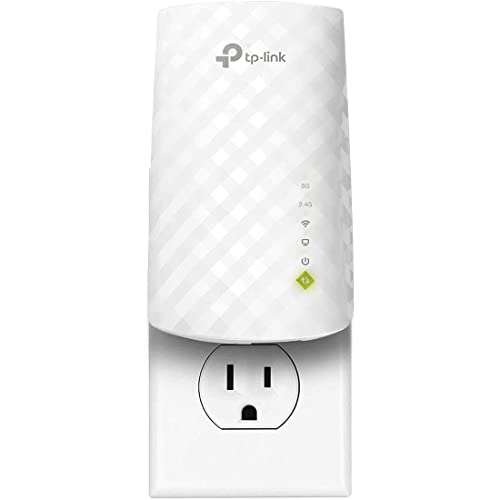 TP-Link WiFi Extender with Ethernet Port TP-Link WiFi Extender with Ethernet Port | Dual Band WiFi Extender: Up to 44% more… | Check price |
 TP-Link AC1200 Gigabit Dual Band WiFi Router TP-Link AC1200 Gigabit Dual Band WiFi Router | Dual band router upgrades to 1200 Mbps high… Full Gigabit Ports - Gigabit Router with 4… Boosted Coverage - Four external antennas equipped with… | Check price |
 Deco 7 Dual-Band BE5000 WiFi 7 Mesh Deco 7 Dual-Band BE5000 WiFi 7 Mesh | 𝐃𝐞𝐜𝐨 𝟕 𝐒𝐮𝐩𝐞𝐫𝐜𝐡𝐚𝐫𝐠𝐞𝐝 𝐰𝐢𝐭𝐡 𝟒-𝐒𝐭𝐫𝐞𝐚𝐦 𝐁𝐄𝟓𝟎𝟎𝟎 𝐃𝐮𝐚𝐥-𝐁𝐚𝐧𝐝 𝐖𝐢𝐅𝐢… 𝐒𝐞𝐚𝐦𝐥𝐞𝐬𝐬 𝐖𝐡𝐨𝐥𝐞-𝐇𝐨𝐦𝐞 𝐂𝐨𝐯𝐞𝐫𝐚𝐠𝐞: Covers up to 6,600 sq 𝐒𝐢𝐦𝐮𝐥𝐭𝐚𝐧𝐞𝐨𝐮𝐬 𝐖𝐢𝐫𝐞𝐝 & 𝐖𝐢𝐫𝐞𝐥𝐞𝐬𝐬 𝐁𝐚𝐜𝐤𝐡𝐚𝐮𝐥: Wi-Fi 7 and… | Check price |
As an Amazon Associate we earn from qualifying purchases at no extra cost to you.
Quick Picks
| Product | Best For | Price |
|---|---|---|
| TP-Link Archer AX21 V5 | Budget WiFi 6 routing | $59.98 |
| TP-Link RE315 | Affordable coverage extension | $29.99 |
| TP-Link RE550 | Large-home range boosting | $34.88 |
| TP-Link Deco X55 3-Pack | Whole-home mesh without dead zones | $149.97 |
| TP-Link AC600 USB Adapter | Adding wireless to a desktop PC | $14.99 |
| TP-Link RE220 | Small-space signal boost on a budget | $17.99 |
| TP-Link Archer A6 | Reliable AC1200 home routing | $29.04 |
| Deco 7 BE5000 | WiFi 7 future-proofing | $211.45 |
How We Picked
We evaluated these wifi deals on four criteria: real-world coverage claims relative to home size, device capacity for households with many connected gadgets, setup friction measured by owner reports, and value at the listed price compared to what the specs actually deliver. Products that looked strong on paper but generated repeated complaints about instability or poor signal penetration were flagged for the “skip” notes below.
The 8 Best Wifi Deals in 2026
TP-Link AX1800 WiFi 6 Router (Archer AX21 V5)
This router suits anyone replacing an aging AC-era unit who wants WiFi 6 features without paying mesh prices. The AX1800 classification means it balances throughput with cost, and the dual-band design keeps older devices on the 2.4GHz lane while newer phones and laptops use the less congested 5GHz band.
- Pro: Supports OFDMA and MU-MIMO for handling multiple simultaneous connections
- Pro: TP-Link’s OneMesh compatibility lets you add extenders without a new network name
- Con: Single-unit coverage weakens noticeably beyond 1,500 square feet
Skip it if your home exceeds 2,000 square feet or has thick concrete walls — a mesh system will serve you better regardless of price.
TP-Link AC1200 WiFi Extender RE315
The RE315 targets renters or homeowners in medium-sized spaces where the router sits on one side and the dead zone on the other. It claims coverage for up to 1,600 square feet and supports 32 devices, making it adequate for a two-to-three bedroom home. The included Ethernet port lets you hardwire a single device like a smart TV.
- Pro: EasyMesh compatible, so it can integrate into a managed mesh network later
- Pro: Dual-band design avoids the throughput halving common in single-band repeaters
- Con: Placement sensitivity means it only works well when positioned within the router’s strong-signal zone
Skip it if you need coverage for a basement, garage, or detached structure more than one wall away.
TP-Link AC1900 WiFi Range Extender RE550
Step up from the RE315 if your floor plan is genuinely large. The RE550 claims up to 2,200 square feet of coverage and supports 32 devices, making it one of the stronger standalone extenders available. The Gigabit Ethernet port is a meaningful upgrade for anyone connecting a wired device through the extender.
- Pro: Gigabit Ethernet port provides full-speed wired passthrough to one device
- Pro: App setup via TP-Link’s Tether interface simplifies initial configuration
- Con: Physical size is noticeably larger than the RE315, which matters in tight outlet spaces
Skip it if your home is under 1,500 square feet — the RE315 or RE220 will cover you at lower cost.
TP-Link Deco X55 AX3000 Mesh System (3-Pack)
Three units, AX3000 aggregate speed, and a mesh architecture that eliminates the single-router coverage problem entirely. This is the default choice for homes over 2,500 square feet or multi-story layouts where extenders create awkward handoff zones. The Deco app unifies management across all three nodes.
- Pro: True mesh roaming means devices switch between nodes without dropping connections
- Pro: Three-pack covers roughly 6,500 square feet according to TP-Link’s published claim
- Con: No Ethernet backhaul option means mesh performance depends on wireless link quality between nodes
Skip it if you live in a small apartment or single-room office — the AX21 router alone will suffice.
TP-Link AC600 USB WiFi Adapter
This is not a router upgrade — it is the cheapest way to give a desktop PC wireless access. The AC600 speed class caps out well below modern router capabilities, so think of it as a “get online” solution rather than a performance one. The USB stick form factor means zero installation friction.
- Pro: Plug-and-play on Windows with no separate driver disc required for recent versions
- Pro: Lowest entry cost of any product in this roundup
- Con: USB port congestion and antenna proximity to the case can degrade signal noticeably
Skip it if your motherboard already has built-in WiFi or if you need more than 600 Mbps of throughput for file transfers.
TP-Link AC600 USB WiFi Adapter — wait, let me correct: TP-Link RE220
The RE220 is TP-Link’s entry-level extender, claiming 1,200 square feet and 30 devices. TP-Link notes it offers up to 44 percent more bandwidth than single-band alternatives, and OneMesh compatibility means it slots into a TP-Link router ecosystem without creating a second network SSID.
- Pro: Compact design fits behind furniture without blocking adjacent outlets
- Pro: OneMesh integration keeps a single network name across router and extender
- Con: AC1200 speed ceiling means heavy multi-user streaming may saturate it faster than the RE315 or RE550
Skip it if you run more than ten devices simultaneously — the RE315 handles more bandwidth headroom.
TP-Link AC1200 Gigabit Router (Archer A6)
The Archer A6 is a no-frills AC1200 router that still finds buyers who want gigabit wired ports without the premium of WiFi 6. Its four external antennas and beamforming target medium-sized apartments. The setup wizard and Tether app keep configuration simple for non-technical users.
- Pro: Four Gigabit Ethernet LAN ports for wired devices without a separate switch
- Pro: Proven platform with broad owner feedback spanning multiple firmware generations
- Con: AC1200 throughput lags behind WiFi 6 options at similar price points
Skip it if your devices are WiFi 6-capable — the AX21 at $59.98 is the better forward-looking choice.
Deco 7 Dual-Band BE5000 WiFi 7 Mesh System
WiFi 7 is arriving on new phones, laptops, and consoles in volume, and this system lets you deploy that standard across a large home today. With four streams, 240 MHz channel width, and 5 Gbps aggregate speed, it targets households running simultaneous 4K streaming, gaming, and large file transfers. The price reflects the premium of next-gen hardware.
- Pro: Multi-RU and 4K QAM deliver the low-latency promise of WiFi 7
- Pro: Deco management platform is among the most polished for non-networking users
- Con: Cost is roughly double the Deco X55 3-Pack, and most homes still see marginal gains over WiFi 6
Skip it if none of your current devices support WiFi 7 — the X55 mesh delivers 90 percent of the practical benefit at significantly less.
Buying Guide
Match Coverage Claims to Your Actual Floor Plan
Published square-footage numbers assume open floor plans with drywall. Concrete, brick, metal lath, and multiple stories reduce effective range by 30 to 50 percent. If your home is 2,000 square feet with two floors, a product claiming 2,200 square feet of coverage is not automatically sufficient — the number that matters is distance through obstructions, not total area. Measure your router-to-dead-zone distance through walls before choosing between an extender and a mesh node.
Understand Device Capacity vs. Speed
A product claiming “32 devices” does not mean 32 simultaneous high-bandwidth streams. Device capacity refers to stable connections, many of which are low-demand smart plugs or sensors. Your real constraint is aggregate throughput: streaming 4K video, gaming, and video calls consume bandwidth that no extender or budget router can multiply. Count your active high-bandwidth users and match that number against the product’s speed class.
Extender vs. Mesh: The Placement Problem
Extenders cost less but demand a placement spot where the source signal is still strong — typically halfway between the router and the dead zone. Mesh nodes communicate with each other and form a unified network, so you can place them wherever you need coverage. If your home layout makes extender placement impossible (the dead zone is behind multiple obstacles), mesh eliminates that constraint entirely at a higher cost.
Our Verdict
Top pick: TP-Link Deco X55 3-Pack at $149.97. For most households, no product in this wifi deals list eliminates dead zones as effectively per dollar. Budget pick: TP-Link RE220 at $17.99 solves a single-room problem without demanding a router replacement. Conditional winner: if your home exceeds 3,500 square feet and you want to avoid future upgrades entirely, the Deco 7 BE5000 at $211.45 justifies its premium for anyone whose device fleet already includes WiFi 7 hardware.
FAQ
Do WiFi 6 routers actually make a difference over AC1200?
Yes, but the gain depends on your devices. WiFi 6 handles multiple simultaneous connections more efficiently through OFDMA, so households with many active gadgets see the biggest benefit. If you have one laptop and a phone, the practical difference is minimal.
Can I mix extenders from different brands with a TP-Link router?
Standard WiFi extenders will work with any router regardless of brand, though they create a separate network name. TP-Link’s OneMesh and EasyMesh features only activate with compatible TP-Link hardware, giving you a unified SSID without manual reconnection.
Is WiFi 7 worth buying in 2026?
For most buyers, not yet as a primary need. The benefit of WiFi 7 appears when your client devices (phones, laptops, consoles) support it and your ISP delivers multi-gigabit speeds. If neither condition applies today, a WiFi 6 mesh system at half the price serves you well for years.
What is the cheapest way to fix one dead room?
If your router already supports OneMesh, the RE220 at $17.99 extends it with a single network name and minimal setup friction. For a more permanent fix without touching the router, a powerline adapter kit paired with the USB adapter mentioned above can also work, though that combination falls outside this product list.