Key takeaways
- Size. An alto is generally suitable for younger teens upward. Younger children may struggle with the weight and key reach, so teachers sometimes suggest a curved-neck or smaller instrument. Ask the teacher.
- Try before you buy. If possible, have a teacher or technician play or inspect the instrument. Check for dents, loose rods and worn pads.
- Reeds. Beginners usually start with softer reeds (strength 2 to 2.5). Your teacher can advise.
- Care. Swab the inside after playing, wipe the body, and avoid leaving the instrument in a hot car. Have it serviced regularly; pads dry out over time.
- Mouthpiece hygiene. Clean the mouthpiece gently with lukewarm water and mild soap, following the maker’s instructions.
For most beginners and students, the Yamaha YAS-280 is the alto saxophone that teachers and reviewers name most often; budget-minded buyers can look at the Jean Paul AS-400 or similar value horns; players ready to step up should consider the Yamaha YAS-480 or a Jupiter intermediate model; and serious professionals shop in the Yamaha YAS-62III, Yanagisawa and Selmer Paris range. The right horn depends on your level, your budget tier and whether a teacher or band director can help you check it before you commit.
Our top picks


As an Amazon Associate we earn from qualifying purchases at no extra cost to you.
What Matters When Buying an Alto Saxophone
The alto saxophone is pitched in E-flat and is the usual first choice for students because it is smaller and lighter than a tenor and easier to produce a stable tone on. The decision comes down to build quality, key mechanism reliability, intonation (how well the notes line up in tune) and whether you can get repairs and parts easily. A cheap saxophone that leaks air or has loose keys can make learning frustrating, which is why many teachers steer beginners toward established brands.
Key features worth understanding include the high F-sharp key (present on most modern student altos), the lacquer or finish (cosmetic and protective, with differences in feel but modest impact on sound), the neck design (some intermediate models offer a more refined neck for better response), and the case and mouthpiece supplied. A beginner kit usually includes a mouthpiece, ligature, reeds, neck strap, cleaning swab and a case, though accessories vary by maker and package.
At a Glance: Alto Saxophones Reviewers Name
| Model | Level | Best for | Notes and limits |
|---|---|---|---|
| Yamaha YAS-280 | Student / early intermediate | The common first alto recommended by educators | Often priced above budget imports |
| Jean Paul AS-400 | Student | Value alternative named in 2026 roundups | Support and resale less established than Yamaha |
| Eastar AS-II / Glory / Etude EAS-100 | Budget student | Tight budgets, short-term use | Quality varies; ask a technician to check it |
| Jupiter JAS700 / JAS1100SG | Student to advanced | Close competitor to the YAS-280; step-up options | Harder to find in some regions |
| Yamaha YAS-480 | Intermediate | Step-up with 62-style neck and engraving, per reviewers | Costs more than student models |
| Yamaha YAS-62III | Professional | Players wanting a pro-grade Yamaha | Premium |
| Yanagisawa WO series | Professional | Players wanting a distinct tone and build | Premium |
| Selmer Paris Reference 54 | Professional | Elite players; classic vintage-inspired sound | Highest tier |
Budget Tier: Entry-Level and Value Altos
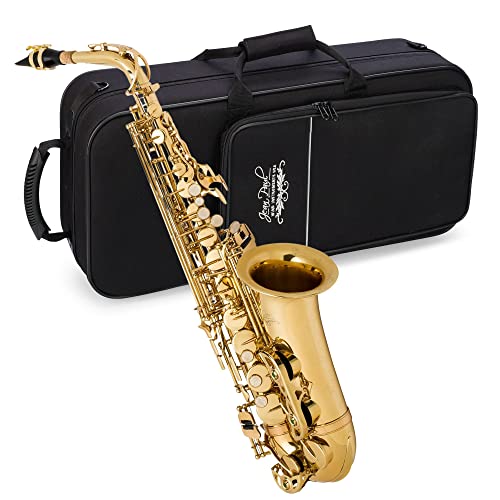
Jean Paul AS-400
Reviewers describe the AS-400 as the usual value alternative when the Yamaha student model stretches a budget. It offers the standard features beginners need, and several roundups say it is a reasonable choice for casual learners. The trade-off is that resale value and parts availability are less predictable than with the big names.
Eastar, Glory and Etude
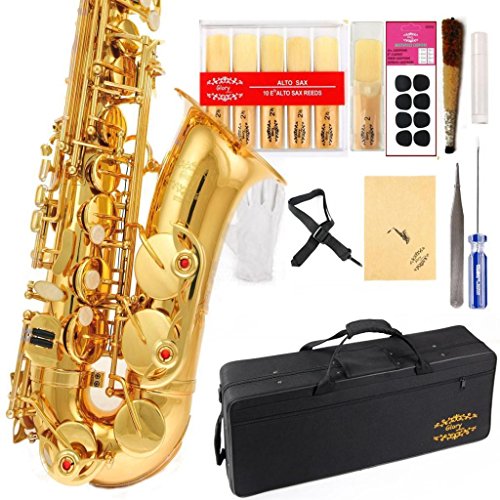
These lower-cost brands show up as budget options. They can work for a child trying the instrument for a season, but quality control varies from unit to unit. If you buy one, have a technician check the pads and key adjustment, because small leaks are common and can make notes difficult to play. A saxophone that will not speak the low notes is often a setup issue rather than a player issue.
Mid-Range Tier: The Student Standard
Yamaha YAS-280
Multiple 2026 roundups call the YAS-280 the benchmark for beginners, and teachers often name it by default. Yamaha lists it as a student model built for dependable response and consistent intonation, and reviewers point to its durability and easy keywork. It also keeps value on the used market, which matters if the player later moves to a better horn. Because many school programmes use Yamaha, parts and repairs are widely available.
Jupiter JAS700
One roundup describes the Jupiter JAS700 as a close competitor to the YAS-280 in quality, though harder to find and similarly priced. If you have a local dealer who stocks Jupiter and offers a service plan, it deserves a look.
Intermediate Tier: When You Outgrow the Student Horn
Yamaha YAS-480
Reviewers call the YAS-480 a budget-friendly intermediate step, citing a 62-style neck and engraved bell. Players who have studied for a couple of years, play in a school ensemble or take lessons often find the richer tone and more even response worth the upgrade.
Jupiter JAS1100SG
One source places the JAS1100SG with intermediate and advanced players. It is a sensible alternative for those who want to compare brands before buying.
Professional Tier
The Yamaha YAS-62III and the Yanagisawa WO series are the usual professional-level picks named by reviewers, and the Selmer Paris Reference 54 sits among the most respected professional altos. These are purchases for committed players, ideally chosen after playing several in person, since tone and feel are very personal at this level. Mouthpiece and reed choices also shape the sound significantly, so a good mouthpiece can make as much difference as a different horn.
Fit, Size and Care Notes
- Size. An alto is generally suitable for younger teens upward. Younger children may struggle with the weight and key reach, so teachers sometimes suggest a curved-neck or smaller instrument. Ask the teacher.
- Try before you buy. If possible, have a teacher or technician play or inspect the instrument. Check for dents, loose rods and worn pads.
- Reeds. Beginners usually start with softer reeds (strength 2 to 2.5). Your teacher can advise.
- Care. Swab the inside after playing, wipe the body, and avoid leaving the instrument in a hot car. Have it serviced regularly; pads dry out over time.
- Mouthpiece hygiene. Clean the mouthpiece gently with lukewarm water and mild soap, following the maker’s instructions.
Common Buying Mistakes to Avoid
The most frequent mistake is choosing on price alone. A very cheap saxophone can look the part yet have uneven pads, sticky keys or poor tuning, and a beginner cannot tell whether a problem is the horn or their technique. That uncertainty slows progress and can end an enthusiastic start. Spending a little more on a recognised student model, or renting first, usually pays off.
A second mistake is ignoring accessories. A good case protects the instrument, a sturdy neck strap reduces strain on the neck, and a handful of quality reeds matter more than most beginners expect. Reeds are consumables, so budget for replacements and keep them in a reed case to avoid warping. A third mistake is skipping the teacher. A few lessons early on build good habits for embouchure (the way the mouth shapes around the mouthpiece), breathing and posture, which no instrument choice can replace.
Finally, think about who will use the horn. A saxophone shared between siblings or passed between students in a school programme benefits from tougher lacquer and a robust case. A solo adult learner who plans to play for years may be better off buying an intermediate model sooner rather than replacing a student horn after twelve months. Ask the teacher or a local repair technician for their view, since they know which models hold up in your area. Also compare what each package includes, because a complete kit with mouthpiece, ligature, strap, swab and case can save a surprising number of extra purchases later.
Pick X If You Need Y
| Pick this | If you |
|---|---|
| Yamaha YAS-280 | Are a beginner or student and want the safest, best-supported choice |
| Jean Paul AS-400 | Want a value-focused student alto |
| Eastar, Glory or Etude | Are on a very tight budget and will get it inspected |
| Jupiter JAS700 | Prefer a Yamaha competitor and have a good dealer |
| Yamaha YAS-480 | Want an intermediate step-up |
| YAS-62III, Yanagisawa, Selmer Paris | Are an advanced or professional player |
Alternatives
- Renting. Many music shops offer rent-to-own plans, which let a beginner try the instrument without committing.
- A used student horn. A well-serviced used Yamaha can beat a new budget import, but have it checked by a technician.
- Soprano or tenor. If you have your heart set on a different tone, a tenor suits those who prefer a deeper sound, though it is heavier.
Frequently Asked Questions
What is the best alto saxophone for a complete beginner?
Reviewers and teachers most often name the Yamaha YAS-280. It is designed for students and has wide parts and repair support.
Is a cheap alto saxophone a bad idea?
Not always, but quality varies. If you buy a budget horn, have a technician check the pads and keywork. Persistent leaks can make learning harder.
How do I know when to upgrade?
If you have played for a few years, your teacher says you have outgrown your horn, and you want more tonal control, an intermediate model like the YAS-480 may be the right time.
Do I need to buy a new mouthpiece?
Student kits include one that is good enough to start. Players often upgrade the mouthpiece before the saxophone, since it affects tone strongly.
Should I buy new or used?
Both are viable. A used instrument from a respected brand, serviced by a repairer, can be a strong value. Avoid unknown brands without inspection.
How often does a saxophone need servicing?
Many repairers suggest a check about once a year for regular players, since pads and adjustments change over time.
More from Amazon
Programs that pair well with the guide above. Offers and eligibility are set by Amazon and may change.
Free shipping on eligible items, Prime Video and more. Eligible new members can start with a free trial.
Start a Prime free trialAd-free music streaming. Eligible new subscribers can start with a free trial.
Try Music Unlimited freeA Prime membership for ages 18-24 with a trial period. Eligibility is set by Amazon.
See Prime for Young AdultsAudiobooks and podcasts to listen to on the go. Eligible new members can start with a free trial.
Try Audible freeAs an Amazon Associate we earn from qualifying purchases.