For most buyers who want the strongest camera without stepping into flagship territory, a Google Pixel “a” series phone is the safest pick; the Samsung Galaxy A-series suits people who want a bright screen and long software support, and the Nothing Phone (3a) suits anyone who wants a dedicated zoom lens at a mid-range level. Below is how these phones compare on the camera points that matter, what the makers state, and where each one gives something up.
Our top picks
 Samsung Galaxy A17 5G Smart Phone 128GB
- YOUR CONTENT, SUPER SMOOTH: The ultra-clear 6.7" FHD+…
- LIVE FAST
- Capture every angle in stunning clarity, from wide…
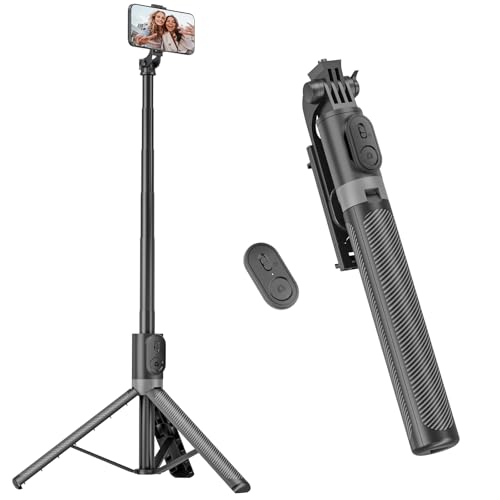 RISEOFLE 71” Phone Tripod & Selfie Stick
- [Versatile Design] RISEOFLE 71'' Phone Tripod and Selfie…
- [Extra Tall 71" Adjustable Phone Tripod] This selfie…
- [Compact & Portable Design] The RISEOFLE phone tripod…
| Product | Key specs | |
|---|---|---|
| Samsung Galaxy A17 5G Smart Phone 128GB | YOUR CONTENT, SUPER SMOOTH: The ultra-clear 6.7" FHD+… LIVE FAST Capture every angle in stunning clarity, from wide… | Check price |
| RISEOFLE 71” Phone Tripod & Selfie Stick | [Versatile Design] RISEOFLE 71'' Phone Tripod and Selfie… [Extra Tall 71" Adjustable Phone Tripod] This selfie… [Compact & Portable Design] The RISEOFLE phone tripod… | Check price |
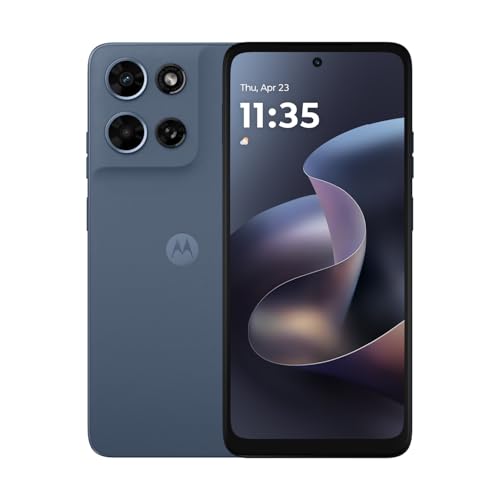 Motorola Moto g | Check price | |
 1920P Endoscope Snake Inspection Camera | Check price |
As an Amazon Associate we earn from qualifying purchases at no extra cost to you.
What “good camera” means on a budget phone
Megapixel counts rarely decide photo quality at this level. Reviewers usually point to three things instead: how well the processing handles difficult light, how consistent the colour is from shot to shot, and how many useful lenses the phone carries. A budget phone with a single excellent main camera and clever software will often beat a phone with four mediocre lenses. Keep that in mind when you read spec sheets.
- Main sensor and processing: This does most of the work. Most budget phones now use a roughly 50-megapixel main sensor, and the software tuning separates the good from the average.
- Ultrawide lens: Useful for rooms, buildings and group shots. Quality drops compared with the main camera on nearly every phone in this class.
- Telephoto lens: Rare under the flagship tier. A true optical zoom lens gives cleaner portraits than cropping into the main sensor.
- Night shooting: Check whether the phone has a dedicated night mode and optical image stabilisation on the main lens, both of which help in dim light.
- Video: Stabilisation and steady autofocus matter more than a high resolution label.
- Software support: Longer update promises keep camera apps and security patches current for more years.
At a glance
| Phone | Best for | Key stated camera specs (maker) | Main limits |
|---|---|---|---|
| Google Pixel 9a | Point-and-shoot photo quality, long updates | Main camera plus ultrawide, with Google’s computational photography features; the maker states a long update commitment | No telephoto lens; charging is not the fastest in class |
| Samsung Galaxy A56 | Everyday all-rounder, bright display, long support | Roughly 50-megapixel main, ultrawide and a small macro lens, according to the maker | Macro lens is of limited use; processing is more saturated than natural |
| Nothing Phone (3a) | Zoom shots and portraits on a mid-range budget | Main camera, a telephoto lens with optical zoom and an ultrawide, per the maker | Software support window is shorter than Google or Samsung’s |
| Samsung Galaxy A36 | Lower budget with a familiar Samsung camera app | Roughly 50-megapixel main with ultrawide and macro, as listed by the maker | Weaker low-light results than the A56 class |
| Previous-generation Pixel 8a | Cheapest route to Google’s camera tuning | Main plus ultrawide, per Google’s earlier listing | Older chip; shorter remaining update period |
Specs here come from the makers’ own product pages and typical reviewer coverage. Lineups change through the year, so if a newer model has replaced one of these, compare it with the same checklist above.
Google Pixel 9a: the processing-first choice
Google’s strategy has long been to pair a good but not extravagant sensor with heavy computational photography. Reviewers consistently describe Pixel “a” phones as producing natural skin tones, strong dynamic range and reliable results in scenes that confuse other phones. Features such as night shooting, portrait blur, and photo editing tools that remove distractions or adjust lighting after the shot are part of Google’s software package, and the maker highlights them on its product page.
The trade-off is hardware. There is no dedicated telephoto lens, so zoomed shots rely on cropping and software upscaling. Reviewers also note that the body and the screen are less showy than rival phones. If you shoot mostly people, pets, food and street scenes in everyday light, the Pixel is the easiest recommendation in this class. If you often zoom in on distant subjects, look at the Nothing instead.
Samsung Galaxy A56 and A36: the well-rounded options
Samsung’s A-series gives you a large, bright display, a polished camera app and a long list of shooting modes. The maker lists a roughly 50-megapixel main camera on both phones, with an ultrawide lens and a macro lens. Reviewers generally say Samsung’s colour tuning is punchier than Google’s, which looks flattering straight out of the camera, though some buyers prefer a more neutral look.
Samsung also states a long software support period for the A-series, which is a real selling point if you plan to keep the phone for years. The A56 is the better camera phone of the pair, and the A36 is the choice if you need to save money. The macro lens on both is a low-resolution add-on, and most reviewers treat it as a minor feature rather than a reason to buy.
Nothing Phone (3a): the zoom pick
The Phone (3a) is the standout when you want optical zoom without moving up in price tier. The maker lists a main camera, an ultrawide and a telephoto lens with a modest optical zoom factor. Reviewers say the telephoto lens produces cleaner portraits and distant shots than cropping from a single sensor, although image processing is less refined than Google’s in dim conditions.
Also consider the design and software. The phone has a distinctive look, and Nothing’s interface is relatively clean. The company’s stated update window is shorter than Google’s or Samsung’s, so it suits buyers who upgrade more often.
Budget tiers and what to expect
| Tier | What you typically get | What you give up |
|---|---|---|
| Entry budget | A decent 50-megapixel main camera, basic night mode | Weak ultrawide, no stabilised video, slower focus |
| Upper budget | Optical stabilisation on the main lens, better processing, ultrawide | No telephoto, mid-grade video |
| Lower mid-range | Telephoto lens or the best processing, longer updates | Slower charging or fewer extras |
Pick X if…
| If you want… | Pick |
|---|---|
| Natural-looking photos with little effort | Google Pixel 9a |
| Long updates plus a bright display and flexible camera app | Samsung Galaxy A56 |
| Optical zoom for portraits and distant subjects | Nothing Phone (3a) |
| The lowest outlay with a known brand | Samsung Galaxy A36 or previous-generation Pixel 8a |
Practical tips before buying
- Look at sample photos taken at night, not only daylight shots. Differences show up first in dim light.
- Check the update promise. A phone with longer stated support keeps its camera app improving and stays safer.
- Clean the lens. A smudged lens ruins more budget-phone photos than the sensor ever does. Wipe it with a soft cloth.
- Consider storage. High-resolution photos and video fill space quickly, and many budget phones have limited or no expandable storage.
- Think about charging. Some of these phones ship without a charger in the box in some regions, per maker listings.
Alternatives worth a look
- Motorola Moto G series: Often cheaper, with decent main cameras. Reviewers say processing and update support trail the leaders.
- OnePlus Nord series: Strong performance and fast charging at mid-range level, with camera quality that reviewers call solid but less consistent than Google’s.
- Refurbished older flagships: A previous-generation flagship can offer a better camera than any new budget phone, though battery health and remaining updates need checking.
Getting better photos from any budget phone
Technique closes much of the gap between budget and premium phones. Reviewers repeatedly note that small habits change results more than a different model would.
- Tap to focus and adjust exposure. Most camera apps let you drag a slider after tapping, which rescues backlit faces.
- Use the main lens in dim light. Ultrawide and telephoto lenses usually have smaller sensors or narrower apertures and struggle more at night.
- Hold still and brace. Rest your elbows against your body or a wall, because night modes combine several frames and movement blurs them.
- Avoid digital zoom where you can. Walk closer, or use optical zoom if your phone has it.
- Turn on the grid. It helps with straight horizons and balanced framing.
- Keep the software up to date. Makers often improve camera processing through updates.
Things the spec sheet will not tell you
Shutter lag, how quickly the camera app opens and how well autofocus tracks a moving child or pet are rarely listed, but they decide whether you get the shot. Reviewers often mention these points in video comparisons. Front-camera quality matters too if you take many selfies or video calls, and some budget phones skimp on it. Finally, consider the screen: a bright, colour-accurate display makes it easier to judge a photo when you take it.
Frequently Asked Questions
Do more megapixels mean a better camera on a budget phone?
Not on their own. Most phones in this class use a roughly 50-megapixel main sensor, and the quality difference comes from the lens, stabilisation and software processing. A well-tuned 48- or 50-megapixel sensor will beat a poorly tuned one with a bigger number on the box.
Which budget phone is best for low-light photos?
Reviewers most often single out Google’s Pixel “a” series for night photography thanks to its processing. Samsung’s A56 also receives positive remarks. Check sample images from the specific model you are considering, because results vary with lighting and software updates.
Is a telephoto lens worth having on a budget phone?
It is useful if you take portraits or photograph distant subjects, as optical zoom retains more detail than digital cropping. If you mostly shoot nearby scenes, the main and ultrawide lenses cover nearly everything, and a telephoto lens is not essential.
How long will a budget Android phone keep getting updates?
It depends on the maker. Google and Samsung state long update commitments for their recent models, while some other brands offer shorter windows. Read the maker’s stated policy on the product page before you buy.
Are budget phone cameras good enough for video?
For social media and family clips, yes. Look for stabilisation on the main camera, since steady footage matters more than a high resolution label. Serious video work benefits from a higher-tier phone or a dedicated camera.
Should I buy a previous-generation model to save money?
Often it is a sensible way to keep camera quality while lowering outlay. The caveats are an older chip and fewer remaining years of updates, so check the maker’s stated support end date for that model.
More from Amazon
Programs that pair well with the guide above. Offers and eligibility are set by Amazon and may change.
Free shipping on eligible items, Prime Video and more. Eligible new members can start with a free trial.
Start a Prime free trialAd-free music streaming. Eligible new subscribers can start with a free trial.
Try Music Unlimited freeA Prime membership for ages 18-24 with a trial period. Eligibility is set by Amazon.
See Prime for Young AdultsAudiobooks and podcasts to listen to on the go. Eligible new members can start with a free trial.
Try Audible freeAs an Amazon Associate we earn from qualifying purchases.