Key takeaways
- Compare the best battery life phone picks in this range by stated capacity, endurance hours and charging speed, with unlocked models and large cells here.
As an Amazon Associate we earn from qualifying purchases.
Disclosure: This article contains affiliate links. If you buy through these links, we may earn a commission at no additional cost to you.
Introduction
When the budget is fixed, battery life is where a careful buyer can still win. Camera systems and premium finishes are usually the first things trimmed at accessible price points, but large batteries are not: some of the biggest cells in any catalogue sit in phones built for value. This guide compares two unlocked phones whose Amazon US product pages state a 5,000 mAh class battery or larger, state their endurance or charging behaviour in plain terms, and give you a genuinely different answer depending on whether you value charging speed or sheer hours between charges.
A note on scope, stated plainly. This site already publishes broader battery-life roundups, including general Android and carrier-specific guides. This article is the value-focused companion to those pieces: a shorter, tighter comparison built only around long battery life at the accessible end of the market, using a product set chosen for this question alone. If your budget stretches further and you want flagship endurance, the wider roundups are the better read. If the budget in the title is your ceiling and running out of charge is the problem you are solving, read on.
How battery value should be judged
Three page-stated figures matter, and this guide uses only those. The first is capacity, measured in milliamp hours: both phones here carry cells of 5,000 mAh or more, which is the current large-battery class for mainstream phones. The second is stated endurance, where the maker gives an hours figure for typical use; a phone that states its hours plainly is easier to compare than one that hides behind adjectives. The third is charging speed, because a big battery that takes all night to refill is a different ownership experience from one that can recover a useful charge quickly. A phone that is strong on at least two of the three is a sound value pick; both phones below meet that test in different ways.
What this guide does not do is guess. Every specification quoted — capacity, charging wattage as stated by the maker, display size and refresh rate, camera resolution, memory and storage — comes from the phone’s own product page. Where a page is silent on a figure, this guide is silent too.
The picks at a glance

- OnePlus Nord N30 5G (B0C22BRGLG) — a 5,000 mAh battery paired with very fast stated charging and a smooth high-refresh display.
- Motorola Moto G Power 2026 (B0FXBRKCGQ) — a larger 5,200 mAh battery with endurance stated at up to 49 hours, built for maximum time between charges.
1. OnePlus Nord N30 5G — B0C22BRGLG
View the OnePlus Nord N30 5G on Amazon
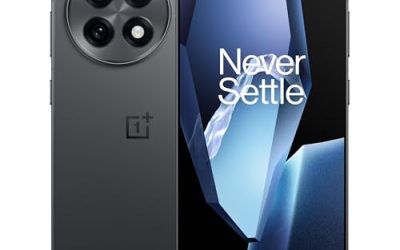
The Nord N30 5G makes its case on the pairing of capacity and charging speed. Its product page states a massive 5,000 mAh battery, in the maker’s own wording, together with 50W SUPERVOOC charging. That combination addresses both halves of the battery problem: the cell is large enough for a full day of favourite content and apps, as the page puts it, and when it does run low, the stated charging speed is the fastest in this comparison by a wide margin, so a short plug-in restores a meaningful amount of charge instead of a token top-up.
The rest of the specification supports an entertainment-heavy day. The display is a 6.72-inch LCD with a 120Hz refresh rate, which keeps scrolling and movement smooth; the main camera is a 108MP unit; and the configuration here carries 8GB of memory with 128GB of storage, expandable by up to 1TB according to the page. It is an unlocked dual-SIM Android phone, and the box contents listed include the phone, a charger adapter, a Type-C cable, a welcome guide and a SIM tray ejector — the presence of the charger adapter in the box matters for a value buyer, because the fast charging the page promises is usable from day one without a separate purchase.
The trade-off to understand is refresh rate discipline. A 120Hz display is a pleasure to use and a real consumer of power, so the endurance you experience will depend on how you balance smoothness against battery settings. The honest way to read this phone is as the pick for users who charge opportunistically — in the car, at a desk, during a break — and want each short session to count. With the stated charging speed, that habit turns a large battery into a nearly always-ready phone.
Choose the Nord N30 5G if your days are media-heavy, your charging happens in short windows, and you want the large-cell-plus-fast-charge combination that defines good battery value at this end of the market.
2. Motorola Moto G Power 2026 — B0FXBRKCGQ
View the Motorola Moto G Power 2026 on Amazon
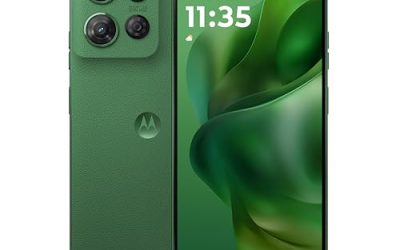
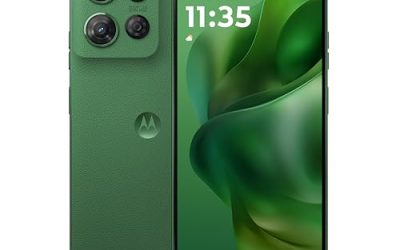
The Moto G Power 2026 takes the opposite approach to the same problem: maximise the cell and state the hours. Its product page lists a battery capacity of 5,200 mAh — the larger cell in this comparison — and describes TurboPower charging with an up-to-49-hour battery, promising nearly two full days of battery life and hours of power from just minutes of charging. The page’s own battery figures put talk time at 49 hours, which is the clearest single endurance statement in this guide.
The supporting hardware is current-generation. The phone runs Android 16 on a MediaTek Dimensity 6300 processor, carries 8GB of memory with 128GB of storage, and has a 50MP camera system. Motorola also equips it for rough days: the model’s pages describe IP68 and IP69 water resistance, military-grade toughness and Corning Gorilla Glass 7i protection. For a value buyer, durability is a battery feature in disguise — a phone that survives drops and weather is a phone whose battery you will still be using years from now, rather than a replacement you had to fund early.
The colour covered here is Pantone Evening Blue, and the model’s positioning is consistent: the Power name has always meant endurance first, and this generation states that priority in numbers rather than adjectives. Where the OnePlus above asks you to charge fast and often in short bursts, the Motorola asks you to charge rarely. For users who are away from sockets for long stretches — travel days, outdoor work, long shifts, weekends off grid — nearly two stated days between charges is the more valuable promise.
Choose the Moto G Power 2026 if time between charges matters more to you than charging speed, and you want the largest stated capacity and the longest stated endurance in this comparison.
Head to head: which pattern fits your life
The two phones solve the same problem with opposite rhythms. The Nord N30 5G rhythm is little and fast: a 5,000 mAh cell, very fast stated charging, and a high-refresh display that rewards short top-ups through the day. The Moto G Power 2026 rhythm is rare and slow: a 5,200 mAh cell, endurance stated at up to 49 hours, and hardware built to be left alone for nearly two days. Neither rhythm is better in the abstract. The right choice is the one that matches where sockets appear in your day — frequently and briefly, or rarely and overnight.
Also weigh what surrounds the battery. If you take many photos and scroll constantly, the OnePlus pairing of a 108MP camera and a 120Hz screen will use its cell harder but refill it faster. If your phone mostly handles calls, messages, navigation and standby across long days, the Motorola’s larger cell and longer stated hours will simply outlast it. Both are unlocked Android phones with 128GB of storage, so the decision really does come down to battery rhythm and the few specifications quoted above.
Charging habits that protect a value battery
Whichever rhythm you choose, a few habits protect the battery you paid for. Heat is the main enemy of a lithium cell, so avoid leaving either phone on a hot dashboard or in direct sun while it charges, and remove a thick case during a long charging session if the phone feels warm. Short top-ups are not harmful in themselves — the OnePlus rhythm above depends on them — but leaving a phone sitting at full charge on a cable for days at a time is a pattern worth breaking.
Use the charging equipment the maker describes. The Nord N30 5G page lists a charger adapter in the box, and its stated fast charging assumes the right adapter and cable; a random low-output adapter will charge either phone slowly and make both look worse than they are. On the Motorola, let the endurance do the work: charging overnight and then leaving the cable behind is exactly the pattern its stated hours are built for. Finally, revisit your screen settings after the first week. Display brightness and refresh behaviour are the two largest everyday drains on any large battery, and ten minutes of adjustment there is worth more than any accessory.
Frequently asked questions
Is a bigger capacity always better?
Not by itself. Capacity is the size of the tank; endurance depends on the display, processor and software as well. That is why this guide pairs every capacity figure with the maker’s stated endurance or charging behaviour, and why the phone with the slightly smaller cell here is still a strong pick — its charging speed changes how the capacity is used.
Why only two phones in this guide?
Because the evidence standard is strict. A phone had to be an unlocked model on Amazon US with a page-stated large battery and page-stated endurance or charging figures, and it had to be distinct from the sets used in this site’s other battery guides. Two phones cleared that bar cleanly for this question; padding the list with weaker evidence would not have served the budget buyer this guide is written for.
Does fast charging wear a battery out?
This guide reports the charging speeds the makers state on their pages and makes no claims beyond them. Sensible habits — avoiding constant heat, not leaving a phone plugged in at full charge for days — are the widely accepted way to treat any large battery kindly, whichever phone you choose.
What should I check before buying either phone?
Confirm the storage configuration on the page matches what you need, confirm the phone is the unlocked version described, and check your carrier’s compatibility information for the model. The specifications quoted here come from each phone’s own page, and the page remains the final word at the moment you buy.
Conclusion
Value battery buying is about rhythm, not just size. The OnePlus Nord N30 5G (B0C22BRGLG) pairs a 5,000 mAh cell with the fastest stated charging here, suiting media-heavy days and short charging windows. The Motorola Moto G Power 2026 (B0FXBRKCGQ) carries the larger 5,200 mAh cell and states up to 49 hours of battery, suiting long days away from a socket. Decide how often you can charge, and the right phone in this pair chooses itself.
More from Amazon
Programs that pair well with the guide above. Offers and eligibility are set by Amazon and may change.
Free shipping on eligible items, Prime Video and more. Eligible new members can start with a free trial.
Start a Prime free trialAd-free music streaming. Eligible new subscribers can start with a free trial.
Try Music Unlimited freeA Prime membership for ages 18-24 with a trial period. Eligibility is set by Amazon.
See Prime for Young AdultsAudiobooks and podcasts to listen to on the go. Eligible new members can start with a free trial.
Try Audible freeAs an Amazon Associate we earn from qualifying purchases.