
From Emergency Exclusivity to Everyday Utility
Satellite connectivity in smartphones has undergone a remarkable transformation over the past few years. What began as a niche safety feature marketed almost exclusively to outdoor adventurers and remote workers is rapidly evolving into something that manufacturers are considering as a baseline capability for mid-range and flagship devices alike. The shift reflects broader changes in satellite infrastructure, chip design, and consumer expectations around always-on connectivity.
Early implementations were deliberately constrained. Messages were limited to a handful of characters, transmission windows were narrow, and the feature worked only in clear-sky conditions. These limitations were partly technical and partly intentional, designed to keep power consumption manageable while the underlying satellite networks remained in early deployment phases. As low-earth orbit constellations have grown denser and ground segment operators have refined their protocols, the practical ceiling on what a satellite link can deliver to a handheld device has risen significantly.
How Modern Chipsets Handle Dual Connectivity
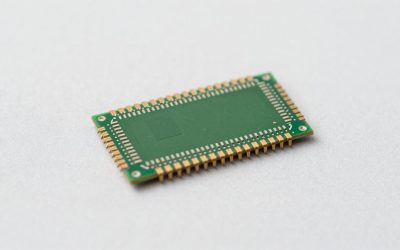
The integration of satellite radios into smartphone silicon is no longer an afterthought. Several major chipset vendors now design dedicated non-terrestrial network support directly into their modem subsystems. This means that a phone can simultaneously maintain awareness of terrestrial cellular networks and satellite links, handing off between them without user intervention in many scenarios.
Power management remains the central engineering challenge. Satellite communication at handheld power levels requires sophisticated beamforming techniques and efficient coding schemes to stretch a limited battery supply across what can be a multi-second transmission window. Newer modem architectures address this by scheduling satellite uplink attempts during periods of low display activity or when the device detects that no terrestrial signal is present, minimizing the energy wasted on futile connection attempts.
What Users Can Realistically Expect Now
The current generation of satellite-enabled phones can send short text messages, share location coordinates with emergency contacts, and receive limited notification data when far outside cellular coverage. Some implementations have expanded to include two-way voice communication in preliminary stages, though this remains uncommon and typically requires specific hardware configurations.
Users should understand that satellite connectivity complements rather than replaces terrestrial networks. Indoor performance is still unreliable, data throughput is measured in kilobits rather than megabits, and the feature requires an open view of the sky. For hikers, maritime workers, rural residents, and travelers in developing regions where cellular infrastructure is sparse, however, these limitations are far outweighed by the safety and communication benefits that even a basic satellite link provides.
Where the Industry Is Headed Next
Analysts and industry observers expect satellite connectivity to migrate down the price spectrum within the next product cycle. As chipset integration becomes cheaper and more standardized, manufacturers will have fewer reasons to restrict the feature to premium tiers. Regulatory frameworks in several regions are also beginning to define licensing structures for mobile-satellite services, which may eventually enable subscription models similar to what terrestrial carriers offer.
Longer term, the convergence of satellite and cellular standards under 3GPP non-terrestrial network specifications promises interoperable devices that work across multiple satellite providers without proprietary hardware requirements. This standardization effort could unlock broader adoption and create a genuinely ubiquitous layer of connectivity that makes complete dead zones a relic of the past.





Write Your Review
No reviews yet. Be the first to share your experience!