Key takeaways
- TYPE IT IN
- MAKE IT
- FAST
Choosing the right phone from a crowded midrange and flagship lineup is harder than it looks. On paper, a $160 device and a $775 device both advertise triple cameras, both promise all-day battery, and both run Android. The difference shows up in how they hold up after six months: whether the screen still feels smooth when you scroll, whether the software keeps getting updates, and whether the build survives being dropped on concrete.
This roundup compares eight phones priced from under $100 to nearly $800, pulling from published spec sheets and aggregated owner feedback rather than lab benchmarks. We focus on the concrete problem most buyers face: getting the best combination of display quality, long-term software support, and everyday durability without overpaying for features they will never use. The separation between a good pick and a bad one usually comes down to three things — refresh rate consistency, IP rating, and how the manufacturer handles post-launch updates.
Our top picks
 SAMSUNG Galaxy A26 5G 2025 with AI
- International Model
- 256GB, 8GB RAM, microSDXC (uses shared SIM slot),…
- Rear Camera: 50MP, f/1.8 (wide) + 8MP, f/2.2…
 Samsung Galaxy A16 4G LTE
- Please note, this device does not support E-SIM
- Compatibility with certain third-party devices and accessibility accessories,…
- Camera: 50 MP, f/1.8, (wide), 1/2.76", 0.64µm, AF…
| Product | Key specs | |
|---|---|---|
 Samsung Galaxy S26 Samsung Galaxy S26 | TYPE IT IN MAKE IT FAST | Check price |
| SAMSUNG Galaxy A26 5G 2025 with AI | International Model 256GB, 8GB RAM, microSDXC (uses shared SIM slot),… Rear Camera: 50MP, f/1.8 (wide) + 8MP, f/2.2… | Check price |
| Samsung Galaxy A16 4G LTE | Please note, this device does not support E-SIM Compatibility with certain third-party devices and accessibility accessories,… Camera: 50 MP, f/1.8, (wide), 1/2.76", 0.64µm, AF… | Check price |
 Samsung Galaxy A17 5G Smart Phone 128GB Samsung Galaxy A17 5G Smart Phone 128GB | YOUR CONTENT, SUPER SMOOTH: The ultra-clear 6.7" FHD+… LIVE FAST Capture every angle in stunning clarity, from wide… | Check price |
 Motorola Moto G Play LTE Motorola Moto G Play LTE | Blazing-fast Qualcomm performance Fluid display + immersive stereo sound 50MP*** Quad Pixel camera | Check price |
 Motorola Moto G Stylus 5G Motorola Moto G Stylus 5G | NEW built-in stylus 6.7" pOLED display and Dolby Atmos 50MP Ultra Pixel camera + OIS | Check price |
 Samsung Galaxy A37 5G Samsung Galaxy A37 5G | AWESOME SCREEN Whether it’s family moments or important calls, stay… NEVER MISS THE SHOT, EVEN IN LOW LIGHT:… | Check price |
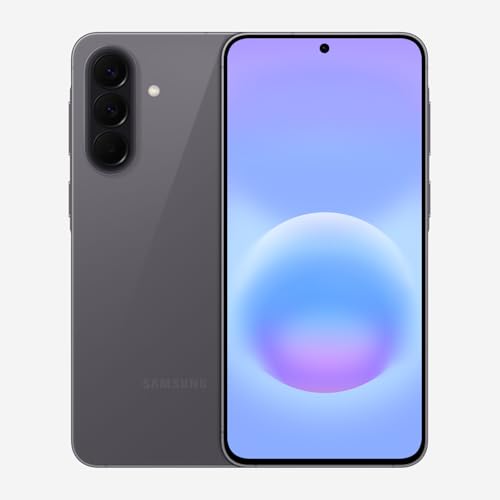 Samsung Galaxy A57 5G Samsung Galaxy A57 5G | ELEVATED DESIGN Dive deeper into your content with the Super… SNAP IT | Check price |
As an Amazon Associate we earn from qualifying purchases at no extra cost to you.
Quick Picks
| Product | Best for | Price |
|---|---|---|
| Samsung Galaxy S26 | Flagship performance at a midrange price | $774.99 |
| Samsung Galaxy A26 5G | AI features on a tight budget | $269.94 |
| Samsung Galaxy A16 4G LTE | First smartphone or secondary device | $159.93 |
| Samsung Galaxy A17 5G | Reliable 5G with US warranty | $224.99 |
| Motorola Moto G Play LTE | Lowest cost unlocked phone | $99.99 |
| Motorola Moto G Stylus 5G | Pen input and multitasking | $199.99 |
| Samsung Galaxy A37 5G | Thin build with strong battery | $485.99 |
| Samsung Galaxy A57 5G | Best display in the A-line | $549.99 |
How We Picked
We weighed four criteria: software support longevity (Samsung’s multi-year update policy vs. Motorola’s track record), display quality at the asking price (AMOLED with 120Hz beats LCD at 60Hz every time in this tier), durability ratings (IP67 or IP68 matters when a phone is your daily carry), and real-world owner reports on things spec sheets hide — thermal throttling, camera inconsistency between shots, and speaker quality. Price-to-feature ratio broke ties.
The 8 Best Latest Android Phone 2026 in 2026
Samsung Galaxy S26
This is the phone to get if you want top-tier performance without crossing into premium-plus territory. At $774.99, the S26 sits well below flagship launch prices of comparable 2026 devices while delivering Samsung’s latest processor, a 256GB base, and a polished camera system that owners consistently praise for color accuracy.
- Flagship-class performance and build quality at a mid-premium price point
- Longest software update commitment in this list
- Most expensive option here — overkill for light users
Skip it if your budget caps around $500 and you mainly use messaging, browsing, and occasional photos. The A37 and A57 deliver most of the daily experience for hundreds less.
Samsung Galaxy A26 5G
The A26 5G packs a 6.7-inch 120Hz AMOLED display, 8GB RAM, and 256GB storage into a phone under $270 — a value proposition that few competitors match. It runs Android 15 and includes IP67 water resistance, a rarity at this price. The bundled 25W charger adds practical convenience, and the dual-SIM support suits travelers or anyone juggling personal and work lines.
- 120Hz AMOLED and IP67 rating at a budget-friendly price
- 8GB RAM ensures smooth multitasking well beyond its cost tier
- International model means carrier compatibility requires checking before purchase
Pass if you need guaranteed US carrier support out of the box or want the absolute longest update window, which the A-line does not match from the S-series.
Samsung Galaxy A16 4G LTE
At $159.93, the A16 4G LTE targets first-time smartphone buyers, kids, or anyone needing a reliable backup. The 6.7-inch screen and 50MP main camera are adequate for social media and video calls. The included case bundle softens the value proposition since you get protection without an extra purchase. Being a 4G-only device is the main compromise.
- Lowest Samsung option with a large display and decent camera hardware
- Case bundle included in the box saves a small additional cost
- No 5G and no water resistance rating
Skip if you live in an area with strong 5G coverage or if you tend to drop phones near water. The four extra dollars for a 4G limitation is hard to justify when the A17 exists.
Samsung Galaxy A17 5G
The A17 5G is the sensible step up from the A16. For $224.99, you gain 5G connectivity, a US-specific model with a one-year manufacturer warranty, and the peace of mind that comes from buying domestic stock. The 128GB of storage handles typical usage, and the triple camera setup covers wide, ultrawide, and macro. Owners report solid day-long battery life with moderate use.
- US warranty and factory-unlocked compatibility with major domestic carriers
- 5G support future-proofs connectivity for the next several years
- 4GB RAM can feel tight when juggling many apps simultaneously
Skip it if multitasking matters to you — the A26 5G offers double the RAM for roughly $45 more, making the A17 a hard recommendation in this price neighborhood.
Motorola Moto G Play LTE
Under $100, the Moto G Play LTE is the cheapest unlocked option in this roundup. The 50MP camera spec looks impressive on paper, and Motorola’s near-stock Android keeps the interface clean and fast on modest hardware. The 4GB of RAM limits background app retention, but for calls, texts, maps, and a single messaging app at a time, it gets the job done at a price that is hard to argue with.
- Lowest entry price with a usable camera and stock Android experience
- Unlocked and made for US — no carrier surprises
- 64GB of storage fills quickly and the LTE-only radio caps network speed
Avoid if you install more than a handful of apps, shoot lots of video, or expect software updates beyond two years. Motorola’s track record on older budget devices is uneven.
Motorola Moto G Stylus 5G
The Moto G Stylus 5G distinguishes itself with a built-in stylus at $199.99, making it the only phone here that supports handwritten notes and precise on-screen drawing without a separate purchase. The 8GB RAM and 256GB storage are generous for the price, and the 50MP camera is a solid midrange sensor. Caramel Latte gives it a distinct look compared to the sea of black slabs.
- Stylus included — useful for notes, sign-offs, and sketching
- Generous RAM and storage for under $200
- Stylus adds thickness and the battery life reports are mixed among owners
Walk away if you do not have a specific use for the pen. The extra bulk and weight are a daily annoyance if the stylus sits unused in a drawer.
Samsung Galaxy A37 5G (2026)
The A37 5G earns a spot in this list by pairing a slim form factor with a 5000mAh battery and IP68 dust-and-water rating — a combination that typically appears on phones costing $200 more. At $485.99 with 256GB of storage, it sits in a strong value position for buyers who want Samsung’s update support and a premium-feeling design without the S-series price tag. The triple camera system handles most everyday shooting scenarios.
- IP68 rating and 5000mAh battery in a notably slim body
- Strong US warranty and confirmed software support window
- Priced within striking distance of the S26 during sales, which can make the value calculus muddy
Consider skipping if you can find the S26 at a similar street price during promotional windows, since the flagship delivers superior performance and longer guaranteed updates.
Samsung Galaxy A57 5G (2026)
The A57 5G is the display pick in this lineup. Its AMOLED panel is the best-looking screen among the A-series phones here, and the 5000mAh battery with IP68 rating gives it a spec profile that overlaps heavily with flagships from just one generation back. At $549.99 with a US warranty, it is a strong alternative for anyone who prioritizes screen quality for media consumption over raw processing power.
- Best-in-class display among midrange Samsung phones with IP68 and large battery
- US version with a full one-year warranty and confirmed carrier compatibility
- 128GB base storage is restrictive for heavy media users who do not use cloud
Skip it if storage is your bottleneck — the A37 gives you 256GB for $64 less, and if you do not watch a lot of video on your phone, the display difference does not justify the gap.
Buying Guide
Display Technology and Refresh Rate
AMOLED panels deliver true blacks and vibrant colors that LCD screens cannot match, and they also make always-on displays practical without excessive battery drain. A 120Hz refresh rate makes scrolling, animations, and gaming feel visibly smoother than 60Hz. In this price range, only the Galaxy A26 5G and the Galaxy S26 explicitly advertise 120Hz AMOLED. If you spend more than thirty minutes daily reading on your phone, the combination of both features is the single most noticeable quality difference you can buy.
Water and Dust Resistance
IP67 means the phone survives submersion in shallow water for a limited time. IP68 raises that threshold to deeper water for longer. Neither rating makes a phone waterproof, but both add a margin of safety against rain, splashes, and accidental drops in sinks or puddles. In this list, the A26 carries IP67 while the A37 and A57 go to IP68. Budget phones below $200 generally skip these ratings entirely, which is a real durability concern if you live in a wet climate or work outdoors.
RAM and Multitasking Longevity
Four gigabytes of RAM runs Android acceptably today, but background app reloading becomes noticeable as updates add features. Six or eight gigabytes keeps more apps suspended between switches, reducing reload times. The Moto G Play and Galaxy A17 ship with 4GB — fine for single-app use, frustrating for multitaskers. If you routinely keep three or more apps open (maps, music, messaging), prioritize a phone with at least 8GB or accept that you will close apps more often than you expect.
Our Verdict
The Samsung Galaxy A26 5G is the top overall pick. It delivers a 120Hz AMOLED display, 8GB RAM, 256GB storage, and IP67 water resistance for just over $270 — a spec density that no other phone in this list matches at its price. For budget buyers, the Moto G Play LTE at $99.99 is the most capable phone under $150, though you trade away 5G, water resistance, and long-term updates. If you can stretch to $485, the Galaxy A37 5G wins the mid-premium slot by combining a slim design, IP68 rating, and a large battery in a way that only flagship hardware typically achieves.
FAQ
Is a 5G phone necessary in 2026?
Not strictly, but it extends the useful life of your device. If you plan to keep the phone for three or more years, 5G-capable hardware ensures you stay on the fastest available network as carriers continue to densify their infrastructure. LTE-only phones like the Moto G Play still work fine but will never access the latest network tiers.
Do international model phones work on US carriers?
Often yes, but not always. The Galaxy A26 5G is explicitly listed as compatible with T-Mobile and global networks, and factory-unlocked status helps. Still, band support varies by model number, so verify the specific LTE and 5G bands your carrier uses before purchasing. Domestic US versions like the A17 and A37 eliminate this guesswork entirely.
How many years of software updates can I expect?
Samsung’s current policy extends to four major OS updates and five years of security patches on newer Galaxy phones, with flagship and upper-midrange models receiving the longest support. Motorola’s update commitment on budget devices is shorter and less predictable, which is a meaningful factor if you plan to keep the phone beyond two years.
Is 128GB of storage enough in 2026?
For most users who stream media rather than downloading it, yes. Heavy photographers who shoot in high resolution and do not back up to cloud storage will find 128GB fills within a year. The Galaxy A26 and A37 both ship with 256GB, making them safer bets for users who want to avoid storage anxiety.