Our Short List of 3

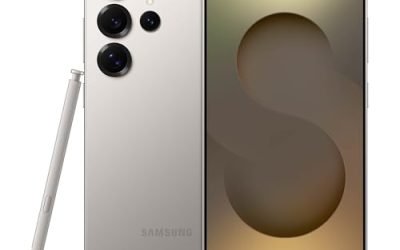
- Best for: Power users who want the biggest screen, the stylus, and the longest zoom in one phone.
- 256GB storage
- Snapdragon 8 Elite processor
- 5000mAh battery
- Built-in S Pen

- Best for: Photographers and anyone who wants Google’s AI features doing quiet work in the background.
- 256GB storage
- Triple rear camera system
- 6.8 inch Super Actua display
- 24-hour battery

- Best for: Heavy users who charge in short bursts and keep many apps open at once.
- 16GB RAM
- 512GB storage
- Dual-SIM
- Snapdragon 8 Elite processor
All 4 Picks at a Glance
| Product | Specs | Action |
|---|---|---|
| Samsung Galaxy S25 Ultra |
| Check price on Amazon |
| Google Pixel 9 Pro XL |
| Check price on Amazon |
| OnePlus 13 |
| Check price on Amazon |
 Samsung Galaxy S25 |
| Check price on Amazon |
Key takeaways
- Compare the 5 best Android smartphones for November 2026 — Samsung Galaxy flagships, Google Pixel cameras and OnePlus speed, with specs and buying guidance.
Picking an Android phone is less about finding a good phone and more about deciding which kind of good you actually want. Samsung packs the most hardware into one slab, Google offers the cleanest software and smartest camera, and OnePlus undercuts both on charging speed and memory. All five take excellent photos and stay fast for years, so the choice is which trade-off fits your daily life: the stylus and zoom lens, the camera that thinks for you, or the battery that fills up while you make coffee.
This guide is for buyers who want one phone that does everything well, whether you are upgrading from an ageing handset or a midrange phone that feels slow. It also helps photographers who lean on their phone camera, commuters who need a big screen, and anyone who wants software updates for years after unboxing. Each pick below comes from the name and specifications on its Amazon product page, and every model is an unlocked Android smartphone sold on Amazon US.
Quick Picks
As an Amazon Associate we earn from qualifying purchases
| Product | Best for | Key spec from title |
|---|---|---|
| Samsung Galaxy S25 Ultra | Power users who want everything in one phone | 256GB, Snapdragon 8 Elite, built-in S Pen |
| Google Pixel 9 Pro XL | Camera-first buyers who want Google AI | 256GB, triple rear camera, 6.8 inch Super Actua display |
| OnePlus 13 | Fast charging and heavy multitasking | 16GB RAM + 512GB storage, Snapdragon 8 Elite |
| Samsung Galaxy S25 | Compact flagship fans | 256GB, Snapdragon 8 Elite, 6.2 inch display |
| Google Pixel 9 | A smaller phone with a flagship camera | 128GB, 6.3 inch Actua display, Gemini |
How to Choose
Start with the size you can live with every day
Screen size decides how a phone feels in your hand long after the excitement of unboxing fades. The Galaxy S25 Ultra and Pixel 9 Pro XL stretch close to 6.9 and 6.8 inches, which makes reading, maps, and video genuinely pleasant but also makes one-handed use a stretch for smaller hands. The Galaxy S25 and Pixel 9 sit around 6.2 and 6.3 inches, so they slip into a jacket pocket and reach the top corner without a hand shuffle. Hold your current phone and notice whether you regularly use two hands; if you do, the bigger screens will feel natural, but if you text one-handed on the train, the compact pair is the safer bet.
Match the processor and memory to your workload
Every phone in this guide runs a flagship chip, yet the memory around it changes how they age. The OnePlus 13 pairs its Snapdragon 8 Elite with 16GB of RAM and 512GB of storage, so dozens of apps stay suspended and ready instead of reloading. The Galaxy S25 Ultra and S25 use the same Snapdragon 8 Elite with 12GB of RAM, which is plenty for gaming and split-screen work. The Pixel 9 Pro XL and Pixel 9 run Google Tensor G4 with 16GB and 12GB of RAM respectively, tuned less for benchmark peaks and more for on-device AI features. If you keep a phone for four years, extra RAM and storage matter more than a slightly faster chip.
Decide how much the camera matters to you
Phone cameras now differ more in software than in sensor size. The Pixel 9 Pro XL leans on a triple rear camera system with computational photography that rescues dim restaurants and backlit portraits without you touching a setting. The Galaxy S25 Ultra counters with a 200MP main sensor, long zoom reach, and a built-in S Pen for marking up shots. The OnePlus 13 brings Hasselblad colour tuning for people who prefer natural tones over punchy ones. If you shoot mostly family photos and travel snaps, any of these will delight you; the differences show up when you zoom past ten times, shoot video at night, or edit heavily afterwards.
Check the update promise and the charger situation
A flagship phone is a multi-year purchase, and software support is part of what you are buying. Samsung and Google both promise seven years of updates on their current flagships, which means a phone bought now can stay secure and current well into the next decade. OnePlus promises a shorter window, so factor that in if you keep phones for five years or more. Also check what arrives in the box: several of these listings ship the phone without a wall charger, and the fastest charging speeds need a compatible brick. A phone that charges at 45W or 80W only hits those speeds with the right adapter, so budget for one if you do not already own it.
The 5 Best Options
Samsung Galaxy S25 Ultra
- Best for: Power users who want the biggest screen, the stylus, and the longest zoom in one phone.
- 256GB storage
- Snapdragon 8 Elite processor
- 5000mAh battery
- Built-in S Pen
Power users who want the biggest screen, the stylus, and the longest zoom in one phone.
At nearly 6.9 inches it is a two-handed phone for most people, so check the size against your hand and pocket before ordering.
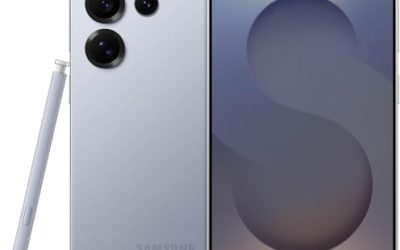
The Galaxy S25 Ultra is the phone for buyers who refuse to compromise and would rather carry one device that does everything. Its 6.9-inch display makes split-screen work feel roomy, the built-in S Pen turns quick notes and photo edits into something you actually do, and the 200MP camera system covers wide shots, portraits, and distant zoom in a single package. Samsung’s seven-year update promise means this phone stays current far longer than most people keep a handset, and the titanium frame keeps a large slab feeling solid rather than fragile.
Watch out for: At nearly 6.9 inches it is a two-handed phone for most people, so check the size against your hand and pocket before ordering.
Google Pixel 9 Pro XL
- Best for: Photographers and anyone who wants Google’s AI features doing quiet work in the background.
- 256GB storage
- Triple rear camera system
- 6.8 inch Super Actua display
- 24-hour battery
Photographers and anyone who wants Google’s AI features doing quiet work in the background.
The Tensor G4 chip prioritises AI tasks over raw gaming speed, so heavy gamers may prefer a Snapdragon phone instead.
The Pixel 9 Pro XL is the camera-first flagship, and it earns that title through software as much as hardware. Its triple rear camera system handles night scenes, portraits, and video with a consistency that takes the guesswork out of shooting, while Gemini is woven into everyday tasks like summarising calls and drafting messages. The 6.8-inch Super Actua display is bright enough for sunny days, and the 24-hour battery claim holds up for typical mixed use. It is the phone to pick when you want the camera to do the thinking.
Watch out for: The Tensor G4 chip prioritises AI tasks over raw gaming speed, so heavy gamers may prefer a Snapdragon phone instead.
OnePlus 13
- Best for: Heavy users who charge in short bursts and keep many apps open at once.
- 16GB RAM
- 512GB storage
- Dual-SIM
- Snapdragon 8 Elite processor
Heavy users who charge in short bursts and keep many apps open at once.
OnePlus promises fewer years of software updates than Samsung or Google, so confirm the update window fits how long you plan to keep the phone.
The OnePlus 13 is the speed pick of this group, and it shows in the two places that matter daily: charging and multitasking. Its 80W SUPERVOOC fast charging and 50W AIRVOOC wireless charging refill the battery far quicker than the Samsung and Google flagships, and 16GB of RAM with 512GB of storage keeps heavy apps suspended instead of reloading. The Hasselblad camera produces natural, restrained colours that suit people who edit their photos, and the ultrasonic fingerprint sensor unlocks the phone reliably even with damp hands.
Watch out for: OnePlus promises fewer years of software updates than Samsung or Google, so confirm the update window fits how long you plan to keep the phone.
Samsung Galaxy S25
- Best for: Buyers who want flagship Samsung performance in a phone they can use one-handed.
- 256GB storage
- Snapdragon 8 Elite processor
- 6.2 inch display
- 12GB RAM
Buyers who want flagship Samsung performance in a phone they can use one-handed.
The smaller battery means heavier days can end earlier than on the Ultra, so check whether your usage leans on all-day screen time.
The Galaxy S25 is the compact flagship for buyers who like Samsung’s software and cameras but not the Ultra’s size or bulk. It keeps the same Snapdragon 8 Elite processor, the same Galaxy AI features, and the same seven-year update promise in a 6.2-inch body that fits one hand and a small pocket. The triple camera system covers everyday shooting well, the display is bright and smooth, and the phone disappears into daily life in a way the Ultra never does. It is the sensible middle of Samsung’s lineup.
Watch out for: The smaller battery means heavier days can end earlier than on the Ultra, so check whether your usage leans on all-day screen time.
Google Pixel 9
The Pixel 9 is the smallest phone in this guide and the easiest to recommend to someone who wants a flagship camera without a flagship-sized slab. Its 6.3-inch Actua display hits a sweet spot between pocketable and readable, the dual rear camera benefits from the same computational photography as its bigger siblings, and Gemini is built in for call summaries, photo edits, and on-device assistance. The 24-hour battery covers a normal day, and seven years of updates make it a genuinely long-term purchase rather than a stopgap.
Specs
- 128GB storage
- 6.3 inch Actua display
- 24-hour battery
- Gemini built in
- 12GB RAM
- Dual rear camera with advanced camera features
- Unlocked Android smartphone
- Obsidian colour
Best for: Buyers who want a compact phone with a flagship camera and clean Google software.
Watch out for: The 128GB of storage fills faster than the 256GB models here, so confirm your photo and app habits fit before ordering.
Which One Fits Your Situation
You want one phone that replaces everything else
Choose the Samsung Galaxy S25 Ultra. The big display, the S Pen, the zoom camera, and the seven-year update promise cover work, photography, note-taking, and media in a single device. It is the largest and heaviest phone here, but if you carry a bag and use your phone as your main computer, nothing else in this guide matches its range.
Photography matters more than gaming
Choose the Google Pixel 9 Pro XL. Its triple rear camera system and computational photography deliver the most consistent results across lighting conditions, and Gemini quietly handles editing and organisation. If your phone is your main camera and you rarely play demanding games, the Pixel’s software advantage outweighs its slower peak gaming performance.
You charge in short bursts between things
Choose the OnePlus 13. The 80W wired and 50W wireless charging refill the battery far faster than the Samsung and Google options, and 16GB of RAM keeps your apps ready between sessions. It suits commuters and busy parents who top up for ten minutes rather than charging overnight. A ten-minute top-up during a coffee break can carry you through the rest of the day.
You want a flagship that fits one hand
Choose the Samsung Galaxy S25 or the Google Pixel 9. The S25 is the better pick if you live in Samsung’s ecosystem and want the Snapdragon chip, while the Pixel 9 wins if you prefer Google’s camera processing and cleaner software. Both are comfortable one-handed, and both carry the same long update promises as their bigger siblings.
Common Mistakes
- Buying the biggest phone without checking whether you can use it one-handed on your commute.
- Choosing a storage size from habit instead of checking how much space your photos, apps, and offline media actually need.
- Assuming every listing includes a wall charger, then discovering the fastest charging needs a separate adapter.
- Picking an international model without confirming it supports your carrier’s bands and warranty coverage.
- Judging a camera by megapixels alone instead of how it handles night shots, zoom, and video stabilisation.
Frequently Asked Questions
Which Android phone has the best camera overall?
The Google Pixel 9 Pro XL leads on consistency, thanks to its triple rear camera system and computational photography that handles night scenes and portraits with little effort. The Galaxy S25 Ultra is the better choice if you need long zoom reach and a 200MP sensor for heavy cropping, while the OnePlus 13 suits photographers who prefer natural Hasselblad colour over punchy processing.
How long will these phones keep getting updates?
Samsung and Google both promise seven years of software updates on the Galaxy S25 Ultra, Galaxy S25, Pixel 9 Pro XL, and Pixel 9, covering major Android versions and security patches. OnePlus promises a shorter window on the OnePlus 13, so if you plan to keep a phone for five years or more, the Samsung and Google picks give you a longer runway.
Do I need the Ultra model, or is the regular Galaxy S25 enough?
The regular Galaxy S25 is enough for most buyers: it shares the same Snapdragon 8 Elite processor, Galaxy AI features, and update promise in a smaller body. Choose the Ultra only if you specifically want the S Pen, the bigger 6.9-inch display, the 200MP camera with longer zoom, and the larger battery, and you are comfortable with a two-handed phone.
Is an unlocked phone better than a carrier phone?
An unlocked phone works across compatible carriers and lets you switch networks without a new handset, which suits travellers and anyone who changes plans. The trade-off is that you pay the full cost up front and must confirm the exact model supports your carrier’s bands, so check the listing’s compatibility notes and your carrier’s requirements before ordering.
More from Amazon
Programs that pair well with the guide above. Offers and eligibility are set by Amazon and may change.
Free shipping on eligible items, Prime Video and more. Eligible new members can start with a free trial.
Start a Prime free trialAd-free music streaming. Eligible new subscribers can start with a free trial.
Try Music Unlimited freeA Prime membership for ages 18-24 with a trial period. Eligibility is set by Amazon.
See Prime for Young AdultsAudiobooks and podcasts to listen to on the go. Eligible new members can start with a free trial.
Try Audible freeAs an Amazon Associate we earn from qualifying purchases.