Key takeaways
- Learn the best practices for phone battery charging 2 with simple daily habits, smart charging routines, and tips that keep your phone battery healthy longer.
A phone battery is the one part of the device that wears out a little every day, and how you charge it decides how fast that wear happens. The habits that help are simple: keep the charge in the middle of the range, avoid heat, and use the right charger for the job. None of them requires special equipment or technical knowledge, just a few small changes to the way you plug in at night and top up during the day. Those changes cost nothing and take no extra time.
This guide covers the charging habits that actually protect a lithium-ion battery, from the ideal charge range to the overnight routine that does the least harm. It also clears up the myths that still circulate about memory effect and full discharges, so you can stop worrying about the wrong things and focus on the few habits that make a real difference over the life of your phone. As an Amazon Associate we earn from qualifying purchases
How to Choose
Keep the charge in the middle of the range
A lithium-ion battery lasts longest when it spends most of its life between roughly 20 percent and 80 percent charge, because the chemical stress on the cells is lowest in the middle of the range. Charging to 100 percent and leaving the phone there for hours, especially overnight, puts the battery under sustained high voltage, which speeds up the loss of capacity over months. Letting the phone drop to zero regularly is just as hard on it, since a deep discharge strains the cells and can leave the battery unable to hold a charge at all. The practical approach is to top up during the day when the phone dips toward 20 percent and unplug when it reaches 80 percent, rather than chasing a full charge every time. Many phones now offer an optimized charging setting that holds the battery at 80 percent overnight and finishes the last stretch just before you wake up, which achieves the same result without any effort on your part. If your phone has that setting, turn it on and let it do the work. Many phones also let you set a charge limit in the battery settings, and setting that limit to 80 percent is the easiest way to keep the battery in its comfortable range without thinking about it.
Avoid heat above all else
Heat is the single biggest enemy of a phone battery, and it does more damage than any charging habit. A phone left on a car dashboard in the sun, tucked under a pillow while charging, or used for gaming while plugged in can reach temperatures that permanently reduce battery capacity in a matter of weeks. The battery itself generates heat while charging, so anything that traps that heat makes the problem worse: a thick case, a blanket, or a sunny windowsill all slow the phone’s ability to cool itself. Charge on a hard, flat surface in a cool room, and take the case off if the phone feels warm. If the phone ever feels hot to the touch, unplug it and let it cool before charging again. Fast charging also generates more heat than slow charging, so use a standard charger overnight and save the fast charger for the moments when you genuinely need a quick top-up before heading out. Wireless charging also generates more heat than a cable, so a phone that charges wirelessly all night will run warmer than one on a standard charger. Take the case off if the phone feels warm.
Use the charger that matches your phone
Not all chargers are equal, and the wrong one can charge slowly, overheat the phone, or in rare cases damage the battery. The charger that came with your phone is the safest choice, since it was designed for that battery and that charging circuit. If you buy a replacement, choose one from the phone maker or a reputable brand, and check that its wattage matches what your phone supports. A charger with a much higher wattage than the phone needs will usually be limited by the phone itself, but a cheap charger with poor voltage regulation can feed the battery uneven power and generate extra heat. Cables matter too: a frayed or damaged cable can cause intermittent charging, which wakes the phone repeatedly and wears the battery through extra charge cycles. Replace damaged cables promptly, and avoid the cheapest no-name chargers sold without any safety certification. A USB-C PD charger from a reputable brand is a safe choice for most modern phones, since it negotiates the correct voltage with the phone rather than forcing a fixed output. Check the cable too, since a damaged cable can cause intermittent charging.
Charge little and often instead of all at once
Small, frequent top-ups are gentler on a lithium-ion battery than a single long charge from empty to full, because each deep cycle wears the cells more than several shallow ones. Plugging in for twenty minutes while you work, then again during lunch, keeps the battery in its comfortable middle range and avoids both the high-voltage stress of a full charge and the strain of a deep discharge. This approach fits naturally into a day spent near a desk or a car charger, and it means the phone is rarely far from a comfortable charge level. The one exception is a full charge before a long day away from power, such as a flight or a hike, when a full battery matters more than long-term battery health. On ordinary days, though, little and often is the habit that keeps a battery healthy for the longest time. Charging while using GPS navigation is the most common cause of a hot phone on the road, since the screen, the GPS radio, and the charging circuit all generate heat at once. Turn the screen brightness down if the phone gets hot.
Which One Fits Your Situation
A phone you charge overnight every night
If you plug in at bedtime and unplug in the morning, turn on your phone’s optimized charging or battery protection setting, which holds the charge at 80 percent overnight and finishes just before you wake. Place the phone on a hard surface rather than under a pillow, and use a standard charger instead of a fast one, since the phone has all night and does not need speed. This routine does the least harm of any overnight habit. A standard charger also generates less heat than a fast charger, which matters when the phone charges for eight hours straight.
A phone you top up during a busy day
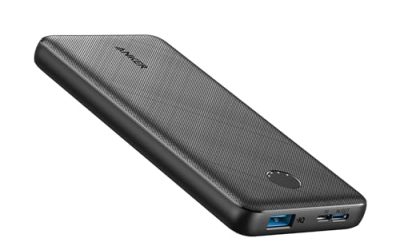
If you are out all day and charge in short bursts, carry a small power bank and top up whenever the battery dips toward 30 percent. Short charges of twenty or thirty minutes keep the battery in its comfortable range without the heat of a long fast-charging session. Avoid charging while using the phone for navigation or gaming, since the combined heat of charging and heavy use is hard on the battery. A power bank with a short cable also keeps the setup tidy in a bag or a coat pocket. Top up early and often.
A phone that is already two or three years old
An older battery has already lost some capacity, so the habits matter even more: keep the charge between 20 and 80 percent, avoid heat, and use a standard charger. If the phone shuts off unexpectedly at 20 percent or drains much faster than it used to, the battery itself may be worn out, and no charging habit will restore it. A battery replacement is usually cheaper than a new phone and can add another year or two of useful life. Check the battery health reading in the settings before deciding on a replacement, since a low reading confirms the battery is the problem.
A phone you use heavily for work or travel
A heavy user who relies on the phone all day should charge little and often, keep a power bank handy, and avoid letting the battery drop below 20 percent. Fast charging is fine when you need it, but use it sparingly and let the phone cool between sessions. If the phone gets hot during a call or a video meeting while charging, unplug it and finish the call on battery power. A second power bank in the bag means you never have to choose between a call and a charge. Keep one charged always.
Common Mistakes
- Charging to 100 percent every night and leaving the phone plugged in for hours night after night, which keeps the battery at high voltage and wears it out faster than any other habit for years.
- Letting the battery drop to zero regularly to empty again and again, which strains the cells and can leave the phone unable to hold a charge.
- Charging the phone under a pillow or in direct sunlight while it charges, where trapped heat does permanent damage to the battery.
- Using a cheap, uncertified charger without any safety mark that feeds the battery uneven power and generates extra heat during every charge.
- Believing the old advice to fully discharge the battery regularly, which applied to older nickel batteries and harms modern lithium-ion cells for modern phones.
Frequently Asked Questions
Should I charge my phone to 100 percent every time?
Charging to 100 percent every time is not necessary and it wears the battery faster, since the cells sit at high voltage for hours. Keeping the charge between 20 and 80 percent most of the time is gentler and will keep the battery healthy for longer. A full charge is fine when you need it for a long day away from power, but it should be the exception rather than the daily routine. The range is a guide, not a strict rule. Occasional full charges are fine.
Is it bad to leave my phone charging overnight?
Leaving a phone charging overnight is not as harmful as it used to be, because modern phones stop drawing power once the battery is full. The main risk is the hours spent sitting at 100 percent charge, which slowly wears the battery. Turn on optimized charging if your phone offers it, since it holds the battery at 80 percent overnight and finishes just before you wake up. Optimized charging is available on most modern phones, so check the battery settings.
Does fast charging damage a phone battery?
Fast charging generates more heat than slow charging, and heat is what damages a battery, so frequent fast charging can shorten battery life over time. Using a fast charger occasionally is fine, but relying on it every day will wear the battery faster than a standard charger. Save fast charging for the moments when you genuinely need a quick top-up. A standard charger overnight is the gentlest routine for a battery that charges every night.
How often should I replace my phone battery?
A phone battery usually lasts two to three years before the capacity drops enough to notice, with the phone draining faster and sometimes shutting off early. If the battery health reading falls below 80 percent or the phone dies at 20 percent, a replacement is worth considering. A new battery is usually much cheaper than a new phone and can extend its useful life by another year or two. A replacement battery from the phone maker or a reputable repair shop is the safest choice.
More from Amazon
Programs that pair well with the guide above. Offers and eligibility are set by Amazon and may change.
Free shipping on eligible items, Prime Video and more. Eligible new members can start with a free trial.
Start a Prime free trialAd-free music streaming. Eligible new subscribers can start with a free trial.
Try Music Unlimited freeA Prime membership for ages 18-24 with a trial period. Eligibility is set by Amazon.
See Prime for Young AdultsAudiobooks and podcasts to listen to on the go. Eligible new members can start with a free trial.
Try Audible freeAs an Amazon Associate we earn from qualifying purchases.